Harnessing the Sun: A Comprehensive Guide to Solar Energy Adoption in the United States
Discover the transformative potential of solar energy in the United States. This comprehensive guide explores how solar power works, its environmental and economic benefits, current challenges, and future trends. Learn how solar energy can contribute to a cleaner, more resilient, and cost-effective energy system for America.

Introduction to Solar Energy in the United States
Solar energy has emerged as a leading renewable resource in the United States, transforming the way homeowners, businesses, and communities produce and consume electricity. As climate change concerns escalate and technological advancements make solar power more affordable, understanding the opportunities and challenges of solar energy is vital for a sustainable future. This article explores the intricacies of solar energy, its benefits, obstacles, and the future outlook within the American energy landscape.
What Is Solar Energy and How Does It Work?
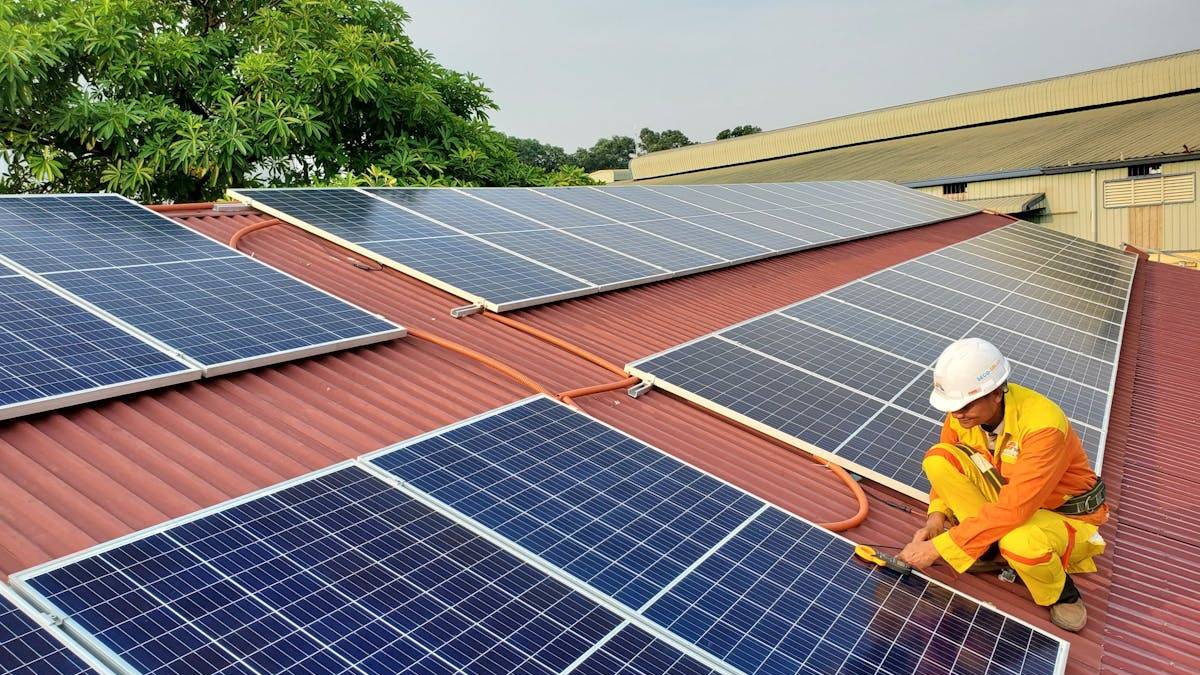
Solar energy refers to the power harnessed from the sun’s rays. At its core, solar panels, primarily composed of photovoltaic cells, convert sunlight directly into electricity through the photovoltaic effect. When sunlight hits these cells, it excites electrons, generating an electric current. The generated electricity can be used directly, stored in batteries, or fed into the grid. Advances in solar technology, such as thin-film and bifacial panels, have increased efficiency and lowered costs, making solar energy more viable for widespread adoption.
The Benefits of Solar Energy in the U.S.
Environmental Impact
One of the most significant advantages of solar energy is its minimal environmental footprint. Unlike fossil fuels, solar power produces no greenhouse gases during operation. This helps reduce carbon emissions, combating climate change and improving air quality. According to environmental experts, widespread adoption of solar energy could significantly lower the United States' carbon footprint.
Economic Advantages
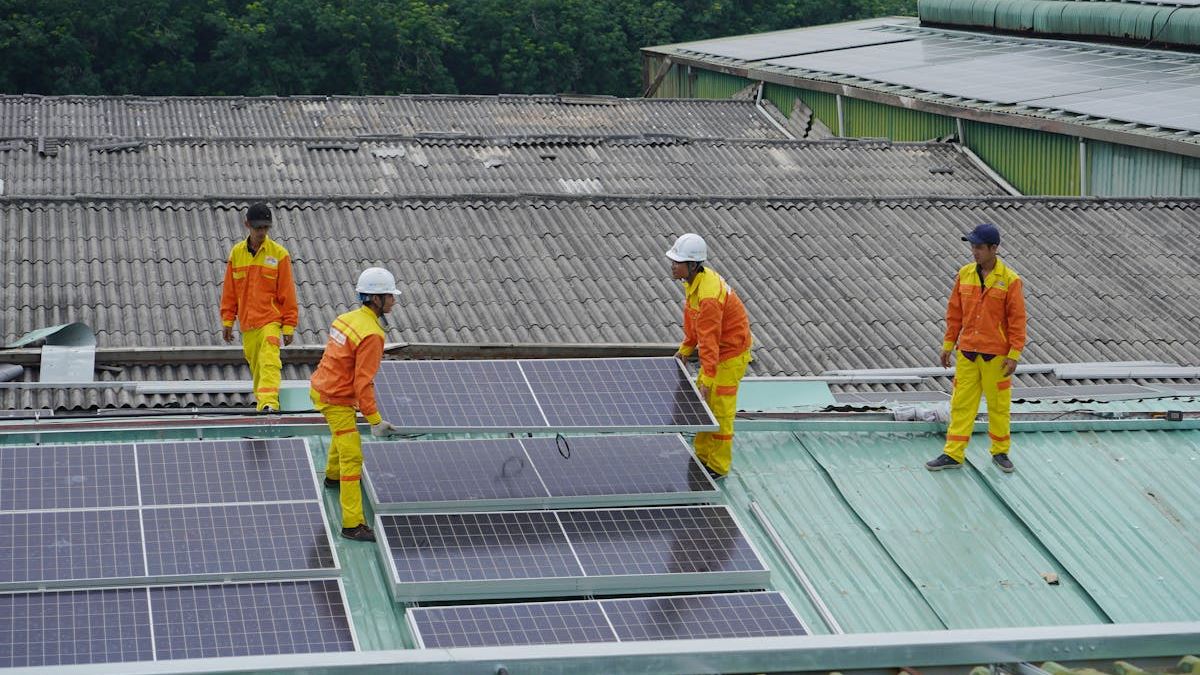
Solar energy promotes economic growth through job creation, lower electricity bills, and increased energy independence. The solar industry employs thousands of Americans in manufacturing, installation, maintenance, and research roles. Additionally, consumers benefit from decreasing costs of solar panels, with many households experiencing substantial savings on utility bills. Federal and state incentives further support solar investments, making it more accessible for various income levels.
Energy Security and Resilience
Distributed solar energy systems, combined with energy storage solutions, enhance grid resilience, reduce reliance on imported fuels, and provide power during outages. In disaster-prone areas, localized solar-plus-storage units serve as reliable backup power sources, ensuring essential services continue during emergencies.
Challenges and Barriers to Adoption
Initial Investment and Cost Barriers
Despite decreasing costs, the upfront investment for solar energy systems remains a concern for many households and businesses. While federal tax credits and state incentives mitigate some expenses, low-income communities may still face financial hurdles. Innovative financing options such as solar leases and power purchase agreements (PPAs) are helping bridge this gap.
Technical and Logistical Issues
Intermittency of sunlight, energy storage requirements, and grid integration pose technical challenges. Advances in battery technology and smart grid infrastructure are critical to ensuring stable and reliable solar energy delivery. Proper site assessment and planning are essential to maximize sunlight exposure and system efficiency.
Policy and Regulatory Landscape
Policy consistency, local regulations, and permitting processes can complicate solar projects. States like California and New York have robust policies supporting solar adoption, but grid interconnection delays and complex permitting can still hinder progress. Advocacy for streamlined policies and incentives is ongoing to boost adoption rates.
The Future of Solar Energy in the United States
The future of solar energy in the U.S. looks promising, driven by technological innovation, declining costs, and supportive policies. As the nation targets achieving a carbon-neutral economy by 2050, solar power will play a pivotal role. Emerging trends such as solar community projects, floating solar farms, and integrated solar-plus-storage solutions are poised to transform the energy landscape.
Furthermore, advancements in building-integrated photovoltaics (BIPV) and solar windows promise to embed solar technology seamlessly into urban architecture, making solar energy even more accessible and aesthetically appealing. Continued federal investment, state initiatives, and private sector innovation will be instrumental in accelerating this transition toward a clean, sustainable energy future.
Conclusion: Embracing Solar Energy for a Sustainable Future
Solar energy stands out as a viable, sustainable, and economically advantageous energy source that can help the United States meet its climate and energy goals. While challenges remain, ongoing technological advancements, policy support, and increased awareness are paving the way for broader adoption. Stakeholders across the spectrum — from homeowners to policymakers — have a role to play in harnessing the sun’s power and building a resilient energy future for the nation.