Comprehensive Guide to Early Childhood Development Programs in the United States
Explore the comprehensive landscape of early childhood development programs in the United States. This guide covers program types like Head Start, preschool initiatives, and child care centers, emphasizing their roles in fostering early learning, social-emotional skills, and family involvement. Learn about key components such as holistic approaches and quality standards, with real-world success stories illustrating their impact. Discover how these programs shape children's future and the importance of supporting early childhood education through policy and community efforts.
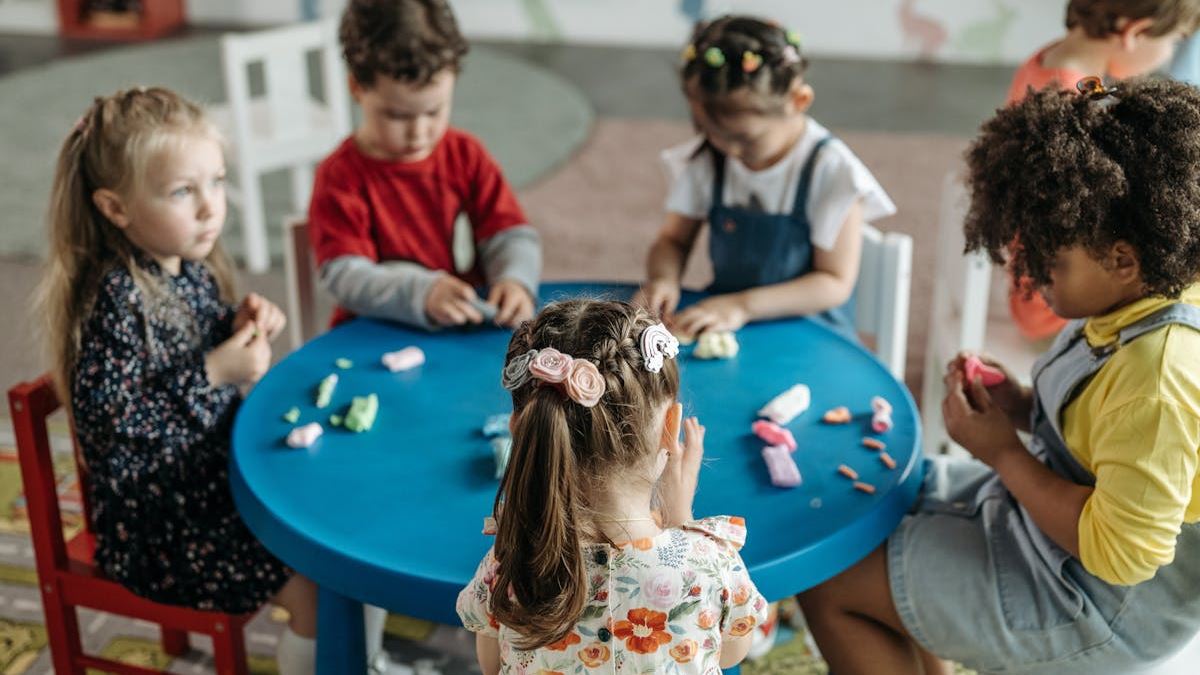
Introduction to Early Childhood Development Programs
Early childhood development programs are foundational initiatives that support the growth, learning, and well-being of children during their most formative years. In the United States, these programs aim to bridge gaps in early learning, ensure equitable access, and foster social-emotional development. Understanding the various types of programs, their benefits, and the key components involved is essential for parents, educators, and policymakers committed to nurturing the next generation.
The Importance of Early Childhood Development
Research consistently demonstrates that early childhood is a critical period for brain development, influencing lifelong health, educational achievement, and social outcomes. Investments in early development programs can lead to improved school readiness, reduced need for special education, and better economic prospects for children as they grow.
Types of Early Childhood Development Programs in the US
Head Start and Early Head Start
Head Start, established over 50 years ago, is a federally funded program serving children from low-income families. It offers comprehensive services including education, health, nutrition, and parent involvement. Early Head Start extends these services to infants and toddlers, emphasizing early intervention and family support.
Preschool Education Programs
Public preschool programs like Pre-K foster school readiness by providing early academic instruction and social skills development. These programs are often aligned with state standards and are accessible to children in underserved communities, promoting equity in early education.
Child Care and Early Learning Centers
Child care centers serve working families by offering supervised environments where children can learn through play. Many centers incorporate curricula based on early childhood development principles, ensuring developmental appropriateness and safety.
Key Components of Effective Early Childhood Development Programs
Holistic Approach
Effective programs address not only cognitive skills but also social-emotional, physical, and language development, recognizing the interconnectedness of these domains.
Family Engagement
Involving families in the child's learning process enhances developmental outcomes. Programs often include parent education, resources, and opportunities for active participation.
Qualified Staff and Quality Standards
High-quality early childhood programs are led by trained professionals who follow evidence-based practices. Accreditation systems and quality standards ensure consistency and excellence.
Real-World Impact: Case Studies and Success Stories
Consider the example of a community-based Head Start program demonstrating improved literacy and behavioral outcomes among participating children. Such success stories highlight the transformative power of early childhood development programs in shaping futures.
Challenges and Opportunities
Despite strong evidence supporting these programs, challenges like funding limitations, disparities in access, and ongoing policy debates remain. Addressing these barriers offers an opportunity to build more inclusive and sustainable early development initiatives.
Conclusion and Call to Action
Investing in early childhood development programs is an investment in societal well-being. Parents, educators, and community leaders must work collaboratively to expand access and improve quality, ensuring every child has the opportunity to thrive from the start.