Comprehensive Guide to AC Tune Up: Keep Your Cooling System Efficient
Learn everything about AC tune up in this comprehensive guide. Discover how regular maintenance improves efficiency, extends your AC's lifespan, and saves money. Find expert tips on signs that your system needs attention and how professional tune-ups make a difference.

Introduction to AC Tune Up
As the temperatures rise across the United States, having a reliable and efficient air conditioning system becomes essential for comfort and health. Regular AC tune up is a critical maintenance practice that ensures your AC unit operates at peak performance, extends its lifespan, and reduces energy costs. In this comprehensive guide, we'll explore what an AC tune up entails, its benefits, signs that your system needs attention, and how professional tune-ups differ from DIY efforts.
Understanding the Importance of AC Tune Up
Maintaining your air conditioning system isn't just about comfort — it's a matter of efficiency, safety, and cost savings. A well-tuned AC can significantly lower utility bills by operating more efficiently. It also reduces the risk of unexpected breakdowns during peak summer months, which can be costly and inconvenient.
Benefits of Regular AC Tune Up
- Improved Energy Efficiency: Regular tune-ups optimize system performance, consuming less electricity and saving money.
- Extended Equipment Lifespan: Routine maintenance prevents wear and tear, avoiding premature replacement costs.
- Enhanced Comfort and Air Quality: A clean, well-maintained AC provides consistent cooling and better indoor air quality.
- Prevent Costly Breakdowns: Catching small issues early reduces the chances of major repairs or total system failure.
What Does an AC Tune Up Include?
Professional AC tune ups involve a comprehensive checklist that ensures every component of your cooling system functions properly. It typically includes the following:
Inspection and Cleaning of Components
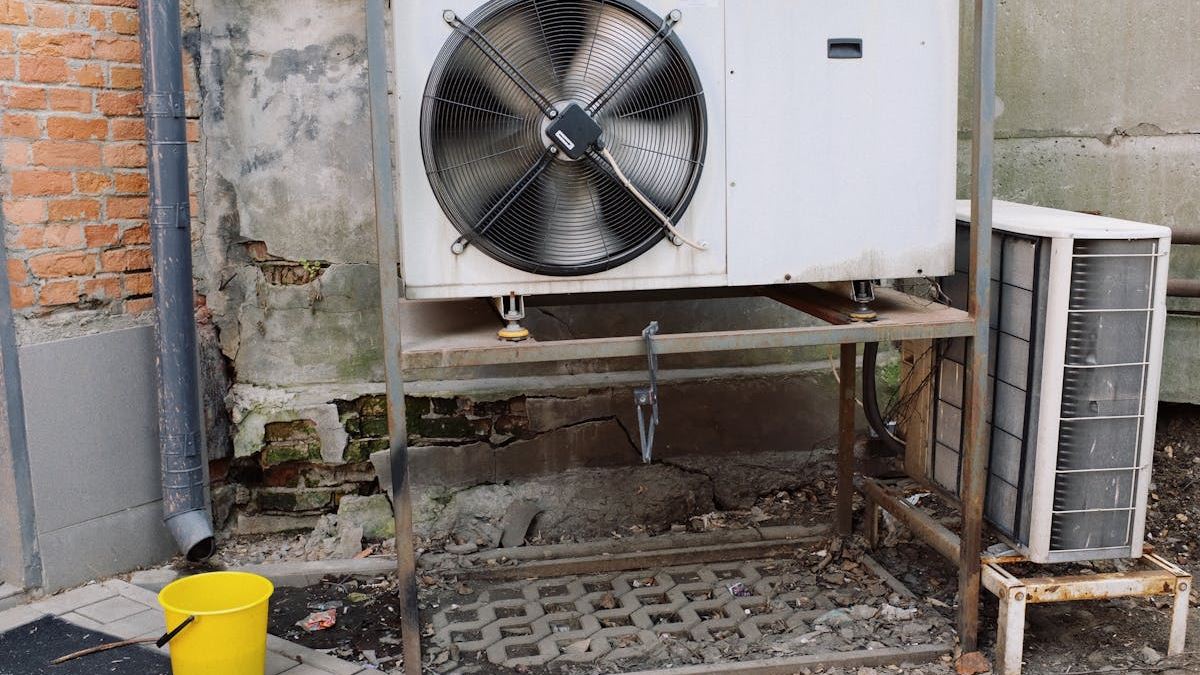
Technicians thoroughly inspect indoor and outdoor units, cleaning coils, filters, and fans to remove dirt, debris, and mold that impair efficiency.
Checking Refrigerant Levels
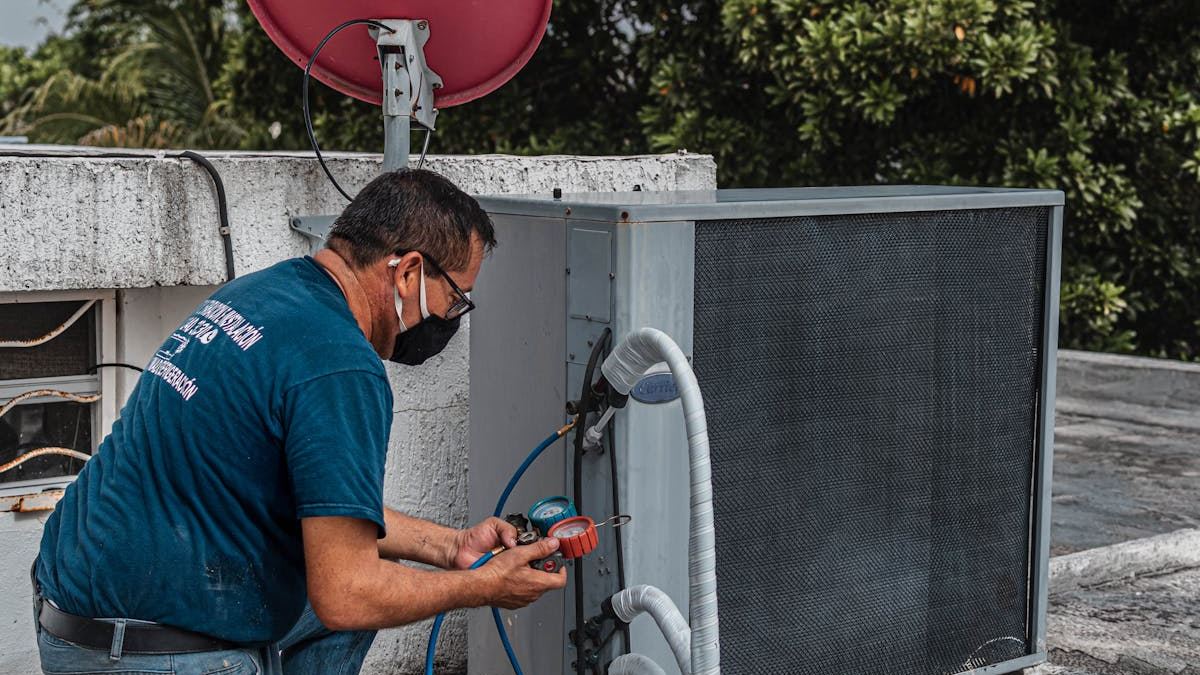
Refrigerant is vital for cooling; technicians verify levels are adequate and top off if necessary, as leaks can decrease efficiency and damage the compressor.
Assessing Electrical Connections
Loose or corroded wiring can cause system failures. Proper tightening and replacement of faulty components enhance safety and performance.
Lubrication of Moving Parts
Moving parts like motors and fans are lubricated to reduce friction and prevent overheating, which can cause breakdowns.
Testing System Controls and Thermostats
Ensure that controls respond accurately, and the thermostat maintains the desired temperature efficiently.
Signs Your AC Needs a Tune Up
Being proactive can save money and discomfort. Watch out for signs such as:
- Weak airflow or inconsistent cooling
- Unusual noises during operation
- High energy bills without increased usage
- Frequent system cycling on and off
- Foul odors or excess dust blowing from vents
DIY vs. Professional AC Tune Up
While some basic maintenance tasks like replacing filters are DIY-friendly, a comprehensive AC tune up requires specialized tools and expertise. Attempting to service complex components without proper knowledge can lead to damage or safety hazards. Hiring qualified HVAC technicians ensures thorough inspection and optimal system performance.
Choosing the Right Professional for Your AC Tune Up
Look for certified technicians with good reviews and transparent pricing. Regular tune ups, ideally scheduled before the summer heat peaks, can keep your system running smoothly and efficiently.
Conclusion: Invest in Your Comfort and Savings
An AC tune up is a smart investment that enhances comfort, lowers energy costs, and prolongs your system's life. By understanding what it entails and recognizing when your AC needs attention, you ensure a cool, comfortable home all summer long.