Transforming Mental Healthcare: The Rise of Online Mental Health Support in the United States
November. 27,2025
Discover how online mental health support is revolutionizing mental healthcare in the United States. This comprehensive guide explores benefits, types of services, real-world scenarios, and future trends, highlighting the importance of digital platforms in making mental health care more accessible and effective for diverse populations.

Introduction: A New Era in Mental Health Support
Over the past decade, advancements in technology have revolutionized various sectors, with mental health care being no exception. Online mental health support has emerged as a critical component, especially in the United States, offering accessible, flexible, and stigma-reducing avenues for individuals seeking help. This article explores the transformative impact of online mental health services, shedding light on benefits, challenges, and future prospects.
The Growing Demand for Online Mental Health Support
Recent statistics indicate a surge in demand for mental health services across the US, exacerbated by the COVID-19 pandemic. Traditional in-person therapy, while effective, posed barriers like geographical limitations, scheduling conflicts, and social stigma. Online mental health support addresses these issues by providing remote access, thereby expanding reach and inclusivity. For instance, teletherapy platforms saw an increase of over 50% in users during 2020 alone.
Types of Online Mental Health Support Services
Online mental health support encompasses various modalities, each catering to different needs. These include:
Teletherapy and Counseling
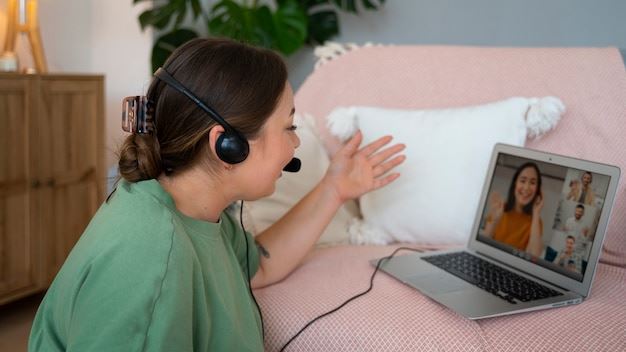
Licensed therapists offer real-time video, phone, or chat sessions, replicating traditional therapy formats but with greater convenience. Many platforms allow users to select therapists based on specialty, cultural competence, and language preferences.
Mental Health Apps
Mobile applications provide self-guided tools for managing stress, anxiety, depression, and other conditions. Apps such as Headspace or Calm offer meditation, mindfulness exercises, and cognitive behavioral techniques.
Online Support Communities
Peer-led forums and moderated groups enable individuals to share experiences, receive encouragement, and reduce feelings of isolation. These communities often foster a sense of belonging and understanding.
Benefits of Online Mental Health Support
Several advantages make online mental health services increasingly popular:
- Accessibility: Overcomes geographic barriers, serving rural and underserved populations.
- Convenience: Flexible scheduling options fit into busy lifestyles.
- Reduced Stigma: Privacy and anonymity minimize fears of judgment.
- Cost-Effectiveness: Often more affordable than in-person therapy, with options for sliding scales or insurance coverage.
Challenges and Considerations
Despite its benefits, online mental health support faces hurdles such as:
- Licensing and Regulation: Variability across states can limit cross-border services.
- Privacy and Security: Ensuring confidentiality remains paramount, especially concerning data breaches.
- Quality Assurance: Not all platforms adhere to clinical standards, emphasizing the need for careful provider selection.
- Technology Barriers: Digital literacy and internet access are prerequisites that some populations lack.
Case Scenarios: Real-World Impact of Online Support
Consider Maria, a resident of a rural town in Montana, who struggled with depression but lacked access to specialized mental health providers nearby. Through an online mental health support platform, she connected with a licensed therapist specializing in adolescent mental health, experiencing significant improvement within months. Conversely, John, a busy executive in New York, benefits from short, flexible teletherapy sessions that fit into his demanding schedule, reducing stress and improving focus.
Expert Insights: The Future of Online Mental Health Support
Leading mental health professionals predict that online mental health support will continue to evolve, integrating emerging technologies such as artificial intelligence for personalized treatment plans and virtual reality for immersive therapy experiences. Dr. Susan Lee, a clinical psychologist, emphasizes, "Hybrid models combining in-person and online support are likely to become the norm, optimizing treatment outcomes and patient satisfaction."
Conclusion: Embracing Digital Mental Health Care
The landscape of mental health support in the United States is rapidly transforming. Online mental health support not only complements traditional services but also broadens access, reduces barriers, and enhances the overall effectiveness of mental health interventions. As the technology matures and regulatory frameworks strengthen, individuals across the country can expect better, more personalized support—whenever and wherever needed.