Understanding Common Skin Conditions: A Comprehensive Guide for Americans
Explore the most common skin conditions in the United States with expert insights, real-world scenarios, and practical advice. This comprehensive guide covers causes, treatments, and prevention strategies for skin issues like acne, eczema, and psoriasis—empowering you to maintain healthy skin and seek timely medical help.
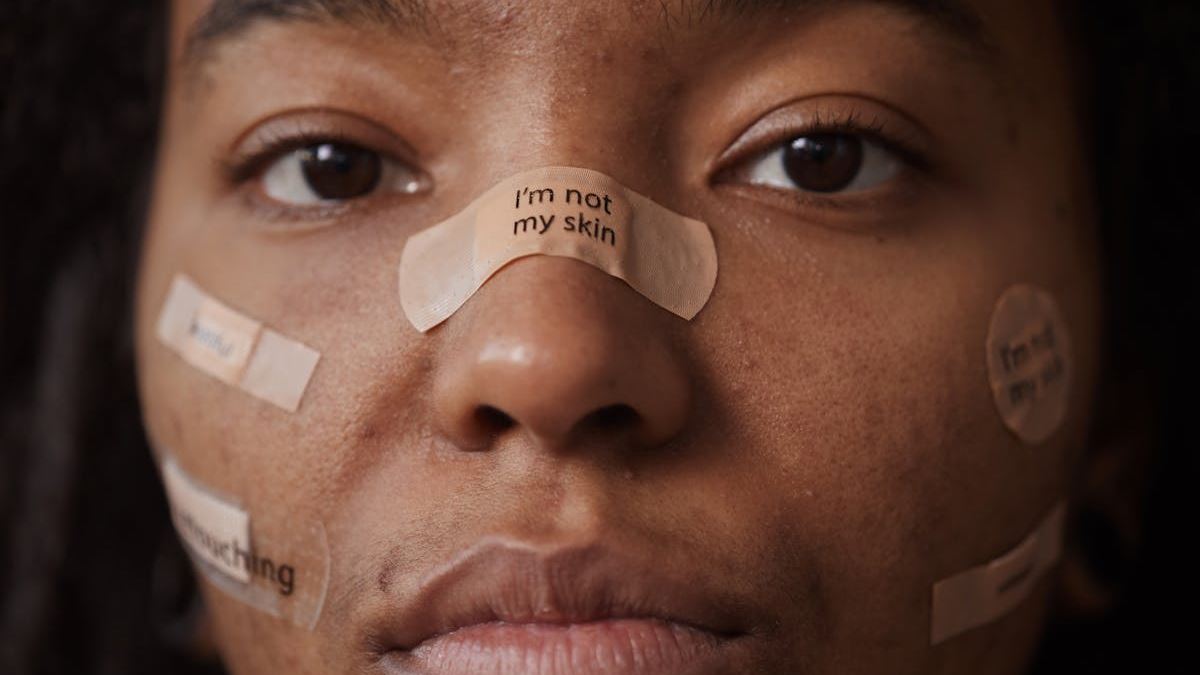
Introduction to Skin Conditions
Our skin, the largest organ of the human body, plays a vital role in protecting internal organs and regulating body temperature. However, various factors such as genetics, environment, lifestyle, and aging can lead to numerous skin conditions. Recognizing and understanding these skin conditions is essential for effective management and maintaining healthy skin. This comprehensive guide explores the most common skin conditions prevalent in the United States, offering insights from dermatology experts, real-world scenarios, and practical tips for prevention and treatment.
Common Skin Conditions in the United States
Acne Vulgaris
Acne remains one of the most common skin conditions among teenagers and adults alike. It manifests as pimples, blackheads, whiteheads, and cysts, often appearing on the face, back, and shoulders. Experts explain that hormonal fluctuations, excess oil production, and bacteria contribute to acne development. Real-world scenarios include young adults battling persistent breakouts despite over-the-counter treatments. Treatment options range from topical medications to laser therapy, emphasizing early intervention to prevent scarring.
Eczema (Atopic Dermatitis)
Eczema is a chronic inflammatory skin condition characterized by itchy, red, and dry skin. It often affects children but can persist into adulthood. Environmental triggers such as allergens, irritants, and weather changes exacerbate symptoms. Dermatologists highlight that managing eczema involves moisturization, avoiding triggers, and sometimes steroid creams. Patients with eczema share experiences of flare-ups triggered by stress or allergen exposure, illustrating the importance of personalized skincare routines.
Psoriasis
Psoriasis is an autoimmune disorder causing rapid skin cell turnover, leading to thick, scaly patches called plaques. The condition can affect various parts of the body, including elbows, knees, and scalp. Experts emphasize that psoriasis severity varies, with some individuals experiencing mild irritation and others facing debilitating symptoms. Advancements in biologic therapies offer hope for better management. Real-life stories often describe psoriasis impacting self-esteem and quality of life, highlighting the importance of comprehensive treatment plans.
Emerging Perspectives on Skin Conditions
Genetic Factors and Personalized Treatments
Advances in genetic research have shed light on individual susceptibilities to skin conditions. Personalized medicine, including targeted biologic treatments, offers tailored solutions based on genetic profiles. Experts believe that this approach enhances treatment efficacy and minimizes side effects, marking a shift from one-size-fits-all therapies.
Environmental and Lifestyle Influences
The impact of pollution, climate change, and lifestyle choices such as diet and stress significantly influence skin health. Urban dwellers in the United States report higher incidences of certain conditions, prompting public health initiatives aimed at education and prevention.
Prevention and Management Strategies
Skin Care Routines and Lifestyle Modifications
Developing a consistent skincare routine tailored to individual skin types is vital. Experts recommend gentle cleansing, regular moisturizing, sun protection, and avoiding harsh chemicals. Lifestyle modifications, including balanced nutrition and stress management, further support skin health.
When to Seek Professional Help
Understanding the signs that require medical attention is crucial. Persistent or worsening skin conditions, or those accompanied by pain or systemic symptoms, should prompt consultation with a dermatologist. Early diagnosis and intervention often prevent complications and improve outcomes.
Expert Insights and Future Directions
Dermatologists are increasingly adopting digital tools such as telemedicine to reach underserved populations. Future research focuses on immune modulation, gene therapy, and the role of microbiome in skin health. These innovations promise more effective and less invasive treatments for various skin conditions, enhancing quality of life for millions in the United States.