Hatchback vs Crossover: Which Vehicle Suits Your Lifestyle in the United States?
Compare hatchback vs crossover to find the ideal vehicle for your needs in the United States. This comprehensive guide explores design, performance, space, cost, safety, and real-world scenarios, helping you make an informed decision tailored to urban driving, family use, or adventure. Discover which vehicle matches your lifestyle and budget with expert insights and detailed analysis.

Understanding the Basics: Hatchback vs Crossover
When considering a new vehicle purchase, many drivers find themselves comparing different types of vehicles to determine which best meets their needs. Two popular options in the United States market are hatchbacks and crossovers. While they may seem similar at first glance, understanding their fundamental differences is crucial for making an informed decision.
Design and Architecture
Hatchback Design and Features
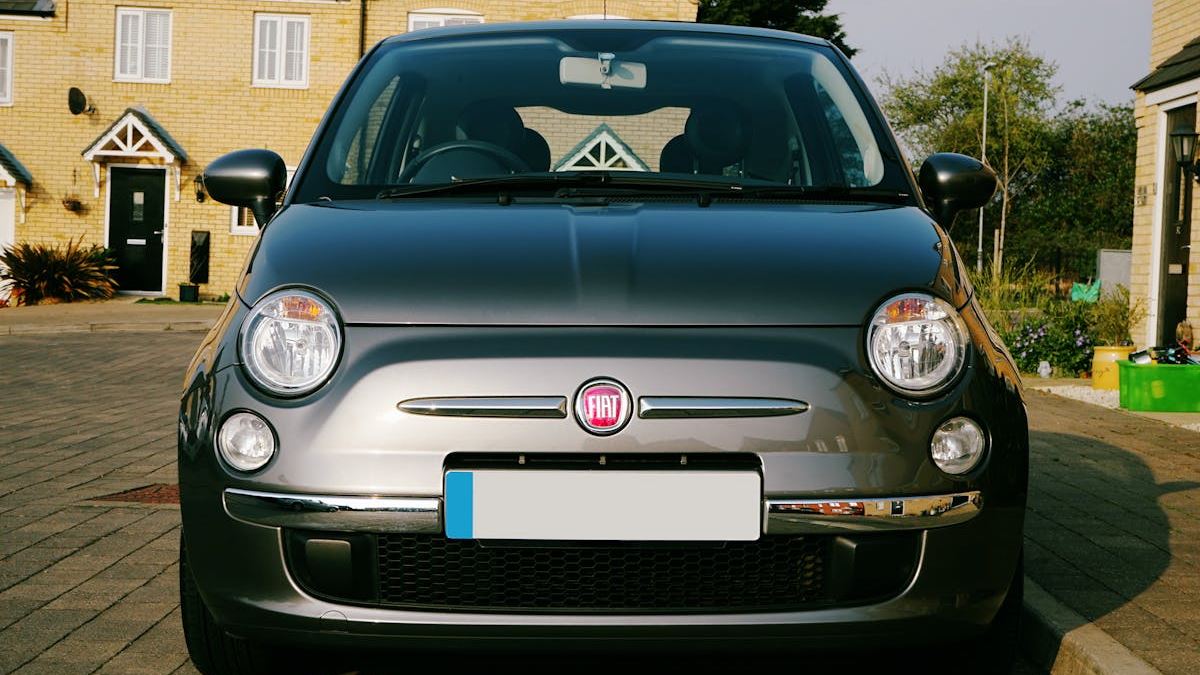
A hatchback typically features a compact, streamlined profile with a rear door that swings upward, providing access to the cargo area. It often shares its platform with sedans, emphasizing aerodynamics, efficiency, and maneuverability. Hatchbacks are generally praised for their sporty appearance and versatility in urban environments where parking and handling are paramount.
Crossover Design and Features
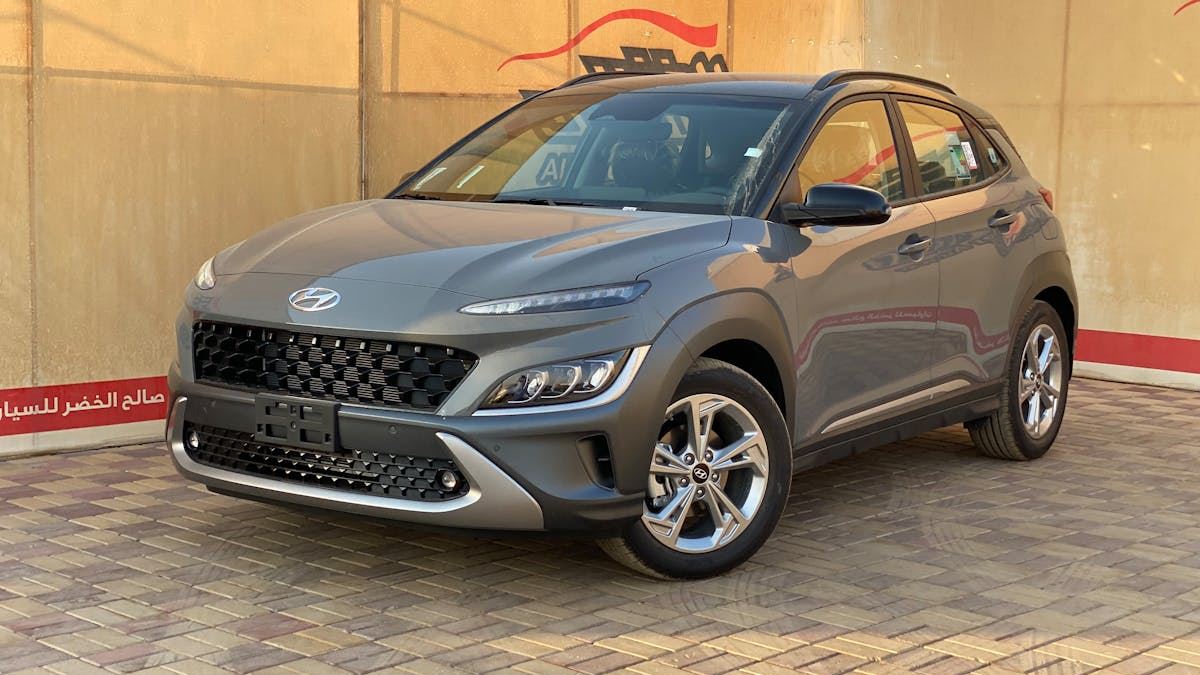
Crossovers, also known as compact SUVs, combine elements of cars and SUVs. They feature a higher ride height, lifted ground clearance, and often have a unibody construction similar to that of a car. This design offers a commanding view of the road, increased interior space, and a sense of ruggedness that appeals to adventurous drivers seeking utility combined with comfort.
Performance and Handling
Hatchback Performance
Hatchbacks tend to be lighter and more agile, offering lively handling and superior fuel economy. They excel in city driving, where tight turns and parking are frequent. Many hatchbacks come equipped with efficient engines suitable for everyday commuting, making them a favorite among urban dwellers.
Crossover Performance
Crossovers provide a smoother ride with elevated ground clearance and a higher driving position. They often come with options for all-wheel drive, making them suitable for various road conditions, including light off-road terrains. Their broader stance offers stability on highways and during cornering, appealing to drivers who prioritize comfort and security.
Interior Space and Practicality
Hatchback Interior Features
While hatchbacks generally offer flexible cargo space, their interior is relatively compact. They may have limited rear seat legroom in smaller models but compensate with foldable rear seats for additional cargo capacity. Hatchbacks are ideal for city life and single individuals or small families.
Crossover Interior Features
Crossovers emphasize interior spaciousness, often providing ample legroom for rear passengers and larger cargo areas. The higher seating position grants better visibility and a more SUV-like feel, making them suitable for families, outdoor activities, and users needing versatile space for luggage, gear, or groceries.
Cost and Ownership
Pricing Perspective
Generally, hatchbacks tend to be more affordable both in purchase price and maintenance costs due to their simpler design and lighter technology. Crossovers, with their added features and higher ride height, usually come with a premium price tag but offer additional benefits in terms of space and utility.
Fuel Economy and Maintenance
Hatchbacks often outperform crossovers in fuel economy owing to their lighter weight and more aerodynamic profiles. Maintenance costs may also be lower for hatchbacks, making them cost-effective for budget-conscious buyers.
Safety and Reliability
Safety Ratings
Both vehicle types have varying safety ratings depending on the make and model. Crossovers, with their higher ride height, might offer better visibility but can be prone to rollover risks. Hatchbacks typically have lower centers of gravity, providing stability, especially during sharp turns.
Reliability and Durability
Reliability largely depends on the manufacturer and how well the vehicle is maintained. Generally, hatchbacks tend to be simpler mechanically, which can translate into fewer repair issues over time. Crossovers, being more complex, may require more maintenance but are often built to withstand rougher conditions.
Real-World Scenarios: Which One Fits Your Needs?
Consider a young professional living in a city like New York or Los Angeles. A hatchback's compact size, efficient fuel consumption, and agility make it an ideal choice for avoiding traffic congestion and parking challenges. Alternatively, a suburban family needing extra cargo space for weekend trips or outdoor adventures might lean toward a crossover for its interior capacity and higher driving position.
Expert Insights and Market Trends
Automotive experts suggest that the choice between a hatchback vs crossover ultimately depends on the driver’s lifestyle, budget, and preferences. Recent trends indicate a growing popularity of crossovers due to their versatility and perceived safety, but hatchbacks remain beloved for their efficiency and sporty appeal.
Conclusion: Making the Right Choice
Choosing between a hatchback vs crossover involves balancing multiple factors — from performance and space to cost and safety. Test-driving both options, assessing your daily needs, and considering future plans will ensure you make a decision aligned with your lifestyle. Whether you favor the agility of a hatchback or the utility of a crossover, understanding these differences will help you select the vehicle that best fits your American lifestyle.