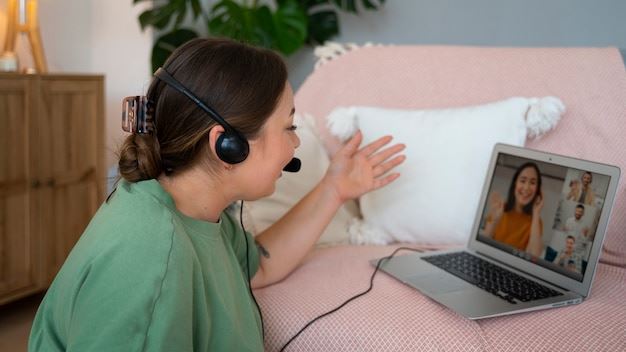
Transforming Mental Wellness: The Rise of Telehealth Mental Wellness Services in the United States
Explore how telehealth mental wellness services are revolutionizing mental health care in the United States. Discover benefits, real-world impacts, expert insights, and future prospects for accessible, remote mental health support essential for diverse populations and needs.

Introduction: The Evolution of Mental Health Care
Over recent years, the landscape of mental health care in the United States has undergone a significant transformation. Traditional in-person therapy sessions, once the standard, are now increasingly supplemented — and in some cases replaced — by innovative telehealth mental wellness services. These digital platforms have broken down geographical and logistical barriers, making mental health support more accessible to diverse populations across the country.
The Benefits of Telehealth Mental Wellness Services
Accessibility and Convenience
One of the most compelling advantages of telehealth mental wellness services is their ability to reach individuals who live in remote or underserved areas. For someone living in a rural town without nearby mental health clinics, accessing professional support through a secure video connection can be life-changing. Moreover, busy professionals and parents find it easier to schedule sessions outside traditional office hours, fitting mental health care into their hectic routines.
Cost-Effectiveness
Telehealth services often reduce costs associated with transportation, childcare, and time off work. Insurance companies are increasingly covering telehealth appointments, recognizing their effectiveness. This financial accessibility democratizes mental health support, enabling more people to seek help without the burden of high costs.
Continuity of Care During Crises
The COVID-19 pandemic underscored the necessity of remote mental health services. During lockdowns and social distancing, telehealth ensured uninterrupted care for many individuals. This continuity is vital for those managing chronic mental health conditions, such as depression or anxiety, providing stability and ongoing support in turbulent times.
Real-World Scenarios Demonstrating Impact
Consider Sarah, a single mother living in a rural town. Unable to access local therapists, she found solace and relief through telehealth platforms, which provided her with consistent therapy sessions and mental wellness resources. Her story exemplifies how telehealth mental wellness services can bridge gaps in care, especially for vulnerable populations.
Another example is James, who suffers from social anxiety. Telehealth offered him a comfortable environment to begin therapy with less fear of judgment associated with visiting a clinic. Over time, he reported improved confidence and coping skills, illustrating the effectiveness of remote mental health support.
Expert Perspectives on Telehealth Mental Wellness Services
Dr. Linda Martinez, a licensed clinical psychologist, emphasizes, "Telehealth has expanded the reach of mental health services, allowing clinicians to serve diverse populations more equitably. It is a crucial component of integrated mental health care in the digital age."
Health policy analysts highlight that the relaxation of regulations during the pandemic facilitated rapid adoption of telehealth services, paving the way for sustained use post-pandemic. Ongoing research suggests that telehealth therapies can be as effective as traditional face-to-face interventions.
Challenges and Considerations
Technological Barriers
Despite its benefits, telehealth mental wellness services face obstacles such as limited internet access, especially in rural communities. Ensuring all individuals have the necessary devices and connectivity remains a priority.
Privacy and Security
Selecting platforms compliant with HIPAA regulations and ensuring user data security are critical to maintaining trust in telehealth services. Patients need reassurance that their conversations are confidential.
Licensing and Regulatory Issues
Regulatory barriers across states can complicate cross-jurisdictional care. Efforts are underway to establish more uniform licensing standards, allowing providers to serve patients nationwide more seamlessly.
Future Outlook: The Growing Role of Telehealth in Mental Health
The integration of telehealth mental wellness services into mainstream healthcare is expected to deepen. Innovations like AI-powered chatbots, virtual reality, and personalized digital interventions will further enhance mental health support, making it more engaging and tailored to individual needs. Policymakers and healthcare organizations are committed to expanding infrastructure and coverage to support these developments.
Conclusion: Embracing a Digital Future for Mental Wellness
The rise of telehealth mental wellness services marks a pivotal moment in modern healthcare. By providing accessible, affordable, and effective mental health support, these services are reshaping how Americans approach mental wellness. As technology advances and acceptance grows, telehealth will continue to be a vital tool in fostering a healthier, more resilient society.