Comprehensive Guide to Flooded Basement Water Removal: Protecting Your Home and Peace of Mind
Discover comprehensive strategies for flooded basement water removal, including expert tips for quick water extraction, drying, and prevention. Protect your home from long-term damage caused by flooding with our detailed guide tailored for homeowners across the United States.
Understanding the Importance of Flooded Basement Water Removal
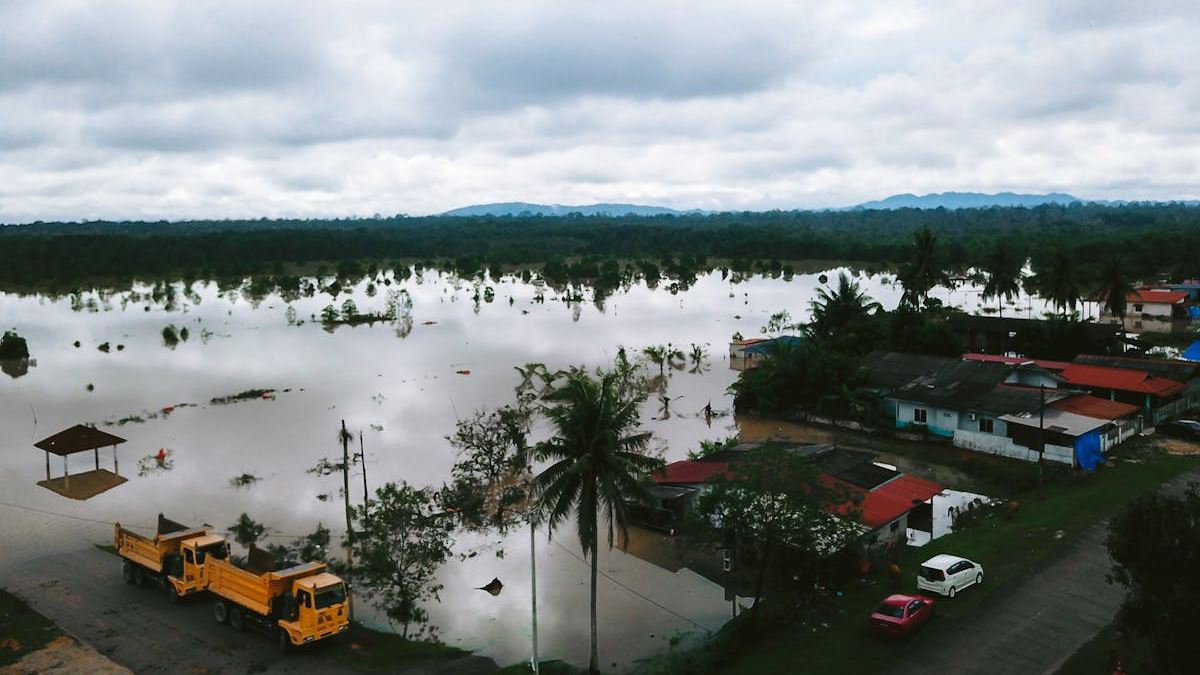
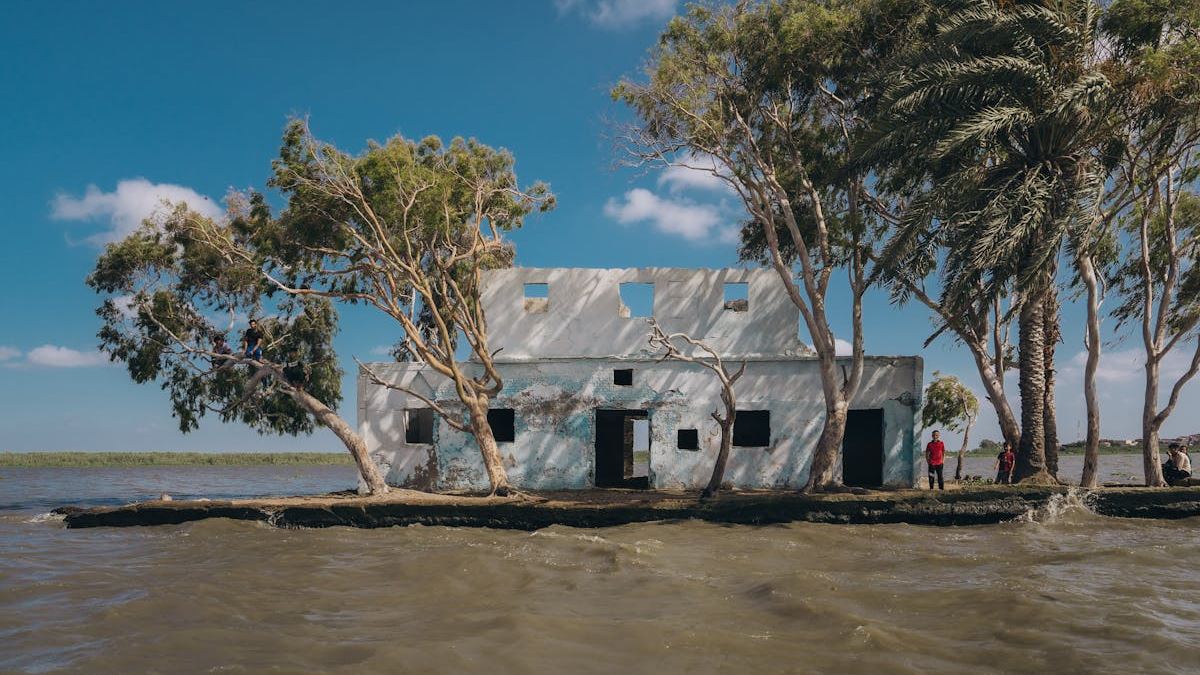
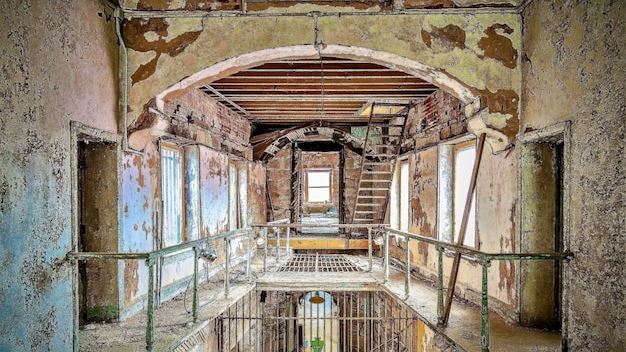
Flooded basements are a common yet distressing problem faced by homeowners across the United States. Whether caused by heavy rain, plumbing failures, or sewer backups, water intrusion can cause significant damage to property, threaten structural integrity, and promote mold growth. An immediate and effective approach to flooded basement water removal is essential to minimize long-term damage and restore safety in your home.
Identifying the Causes of Basement Flooding
Heavy Rain and Storms
One of the leading causes of flooded basements in the U.S. is extreme weather. Stormwater runoff overwhelms drainage systems, leading to water seeping into basements through cracks or overwhelmed sump pumps. Recognizing these patterns helps homeowners prepare better and act swiftly.
Plumbing Failures
Pipe bursts, leaking water lines, or malfunctioning sump pumps can suddenly inundate your basement. Regular maintenance and prompt repairs are vital to prevent such incidents.
Sewer Backups
Sewage backups are particularly hazardous, not only causing property damage but also health risks. Understanding sewer system limitations and installing backflow prevention devices can be effective preventative measures.
Effective Strategies for Flooded Basement Water Removal
Initial Safety Precautions
Before beginning water removal, ensure your safety by turning off electricity to prevent shocks, wearing protective gear, and assessing the extent of water damage.
Extracting Standing Water
Use high-capacity water pumps, wet vacuums, and sump pumps to remove standing water efficiently. In severe cases, professional-grade equipment may be necessary.
Drying and Dehumidification
Complete drying is crucial to prevent mold growth. Employ industrial dehumidifiers, fans, and proper ventilation to reduce moisture levels thoroughly.
Cleaning and Disinfection
Waterborne contaminants require thorough cleaning and disinfecting. Use EPA-registered antimicrobial agents, and consider professional remediation for extensive contamination.
When to Call Professionals for Flooded Basement Water Removal
While minor flooding can often be handled independently, severe situations demand expert intervention. Professional water restoration specialists possess specialized equipment, experience, and knowledge to handle complex cases safely and effectively.
They can assess structural damage, ensure complete water extraction, and perform mold remediation if needed. Hiring licensed and insured professionals guarantees quality service and peace of mind.
Preventive Measures to Protect Your Basement
Install Sump Pumps and Backup Systems
Reliable sump pumps, coupled with battery backups or water-powered backup systems, can significantly reduce flooding risks.
Improve Drainage Systems
Maintain gutters and downspouts, and consider landscaping modifications to direct water away from your foundation.
Seal Cracks and Foundations
Regular inspection and sealing of cracks can prevent water intrusion. Waterproof sealants and basement waterproofing systems add extra protection.
Monitor Weather Forecasts and Flood Alerts
Being proactive with weather alerts can allow timely preparations to safeguard your property against impending storms.
Conclusion: Safeguarding Your Home from Flooded Basement Water Damage
Dealing with a flooded basement is a challenging and urgent issue. Immediate water removal, thorough drying, and professional remediation are crucial steps in restoring your home and ensuring the health and safety of your household. By understanding the causes, employing effective strategies, and adopting preventive measures, homeowners across the United States can better protect their properties from future flooding incidents.