Understanding Diverticulitis: Causes, Symptoms, and Treatment Options
Discover comprehensive insights into diverticulitis, including its causes, symptoms, diagnosis, treatment options, and prevention strategies. This detailed guide helps readers understand how to manage and prevent this common digestive condition effectively.
Introduction to Diverticulitis
What Are Diverticula and How Do They Form?
Definition and Formation
Diverticula are tiny bulging sacs that protrude from the colon's lining. They typically develop due to increased pressure within the colon, often caused by low-fiber diets that lead to constipation and straining during bowel movements. The weakened spots in the colon wall give rise to these pouches, which can remain asymptomatic or cause problems if they become inflamed.
Causes and Risk Factors of Diverticulitis
Diet and Lifestyle Influences
Factors such as a low-fiber diet, obesity, lack of physical activity, smoking, and certain medications can increase the risk of developing diverticulitis. The absence of fiber results in harder stools and increased pressure within the colon, contributing to diverticula formation and potential inflammation.
Age and Genetics
Older adults are at higher risk due to the natural weakening of the colon wall. Genetic predispositions can also play a role, with some individuals being more susceptible based on family history.
Recognizing the Symptoms of Diverticulitis
The symptoms of diverticulitis can vary from mild to severe. Common signs include:
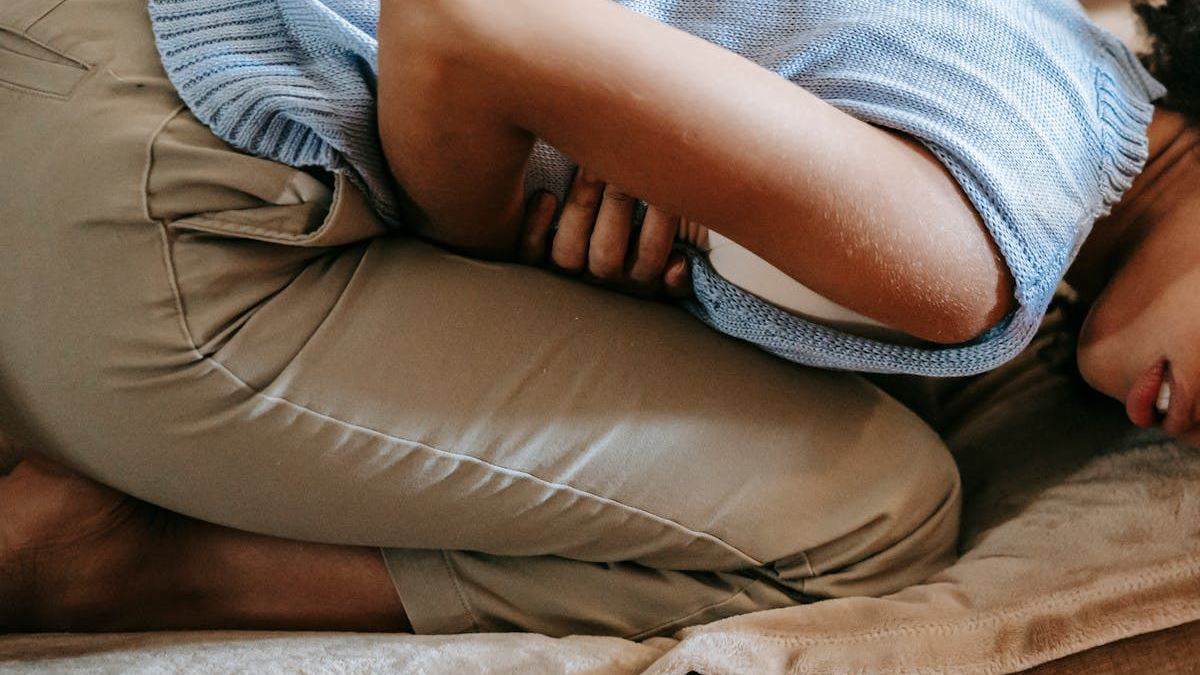
- Abdominal pain: Often on the lower left side
- Fever: Due to infection
- Changes in bowel habits: Constipation or diarrhea
- Nausea and vomiting: Especially if complications develop
Diagnosis: How Is Diverticulitis Confirmed?
Diagnosis typically involves a combination of patient history, physical examination, and diagnostic tests such as:
- CT scan: The most effective imaging tool for detecting inflamed diverticula
- Blood tests: To check for infection or inflammation
- Stool tests: To rule out other gastrointestinal conditions
Treatment Approaches for Diverticulitis
Conservative Management
Most cases are managed with antibiotics, a liquid or low-fiber diet during acute episodes, and rest. Pain management and hydration are also essential components.
Surgical Intervention
For recurrent or complicated diverticulitis, surgical removal of the affected segment of the colon may be necessary. Laparoscopic procedures have increased recovery rates and minimized complications.
Preventing Diverticulitis: Lifestyle and Dietary Measures
Adopting a high-fiber diet, staying hydrated, exercising regularly, and avoiding smoking can lower the risk of diverticulitis. It's also important to manage weight and monitor bowel habits.
Complications of Diverticulitis
If left untreated, diverticulitis can lead to serious issues such as abscesses, perforations, peritonitis, or fistula formation. Early diagnosis and treatment are critical to prevent life-threatening outcomes.
Living with Diverticulitis: Tips and Support
Patients diagnosed with diverticulitis should work closely with healthcare providers to develop personalized management plans. Support groups and counseling may aid in coping with chronic symptoms and lifestyle adjustments.