Understanding Kymriah Cancer Treatment: A Breakthrough in Immunotherapy
Discover how Kymriah cancer treatment is transforming the landscape of immunotherapy for blood cancers in the United States. Learn about its mechanism, benefits, risks, and what to expect through the patient journey, providing hope and clarity for patients exploring personalized cancer therapies.

Introduction to Kymriah Cancer Treatment
In recent years, advancements in cancer therapy have revolutionized patient outcomes, with Kymriah cancer treatment standing out as a groundbreaking immunotherapy option. Approved by the U.S. Food and Drug Administration (FDA), Kymriah offers new hope for patients battling certain blood cancers. This article explores what Kymriah cancer treatment entails, how it works, and what patients in the United States should consider when exploring this innovative therapy.
The Science Behind Kymriah Cancer Treatment
What is CAR T-Cell Therapy?
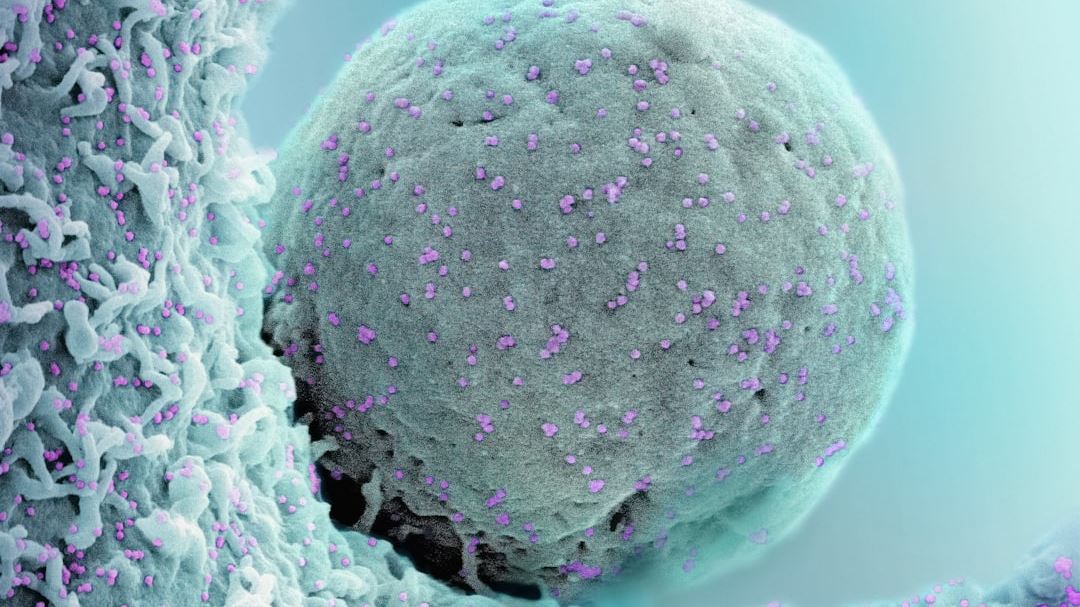
Kymriah is a form of CAR T-cell therapy, which involves modifying a patient's own immune cells to better recognize and attack cancer cells. The therapy involves collecting T-cells from the patient's blood, genetically engineering them in a laboratory to target specific cancer markers, and then reinfusing them into the patient's body.
Mechanism of Action
The genetically modified T-cells, known as CAR T-cells, seek out and destroy cancer cells that express specific antigens. In the case of Kymriah, it targets CD19, a protein found on the surface of certain B-cell cancers, including some types of leukemia and lymphoma.
Who Can Benefit from Kymriah Cancer Treatment?
This therapy is primarily indicated for patients with relapsed or refractory B-cell precursor acute lymphoblastic leukemia (ALL) and certain types of large B-cell lymphoma. The decision to pursue Kymriah therapy involves comprehensive evaluation by oncologists, considering factors like previous lines of treatment, overall health, and disease progression.
The Patient Journey: From Diagnosis to Kymriah Treatment
Diagnosis and Evaluation
Initial diagnosis involves extensive testing to understand the specific cancer subtype. Once diagnosed with a candidate condition, healthcare teams assess eligibility for Kymriah treatment, considering factors like age, disease status, and prior treatments.
Preparation and Treatment Process
Preparing for Kymriah involves leukapheresis, a procedure to collect T-cells, followed by genetic modification in specialized labs. The modified cells are then infused back into the patient, typically in a hospital setting equipped to manage potential side effects. The entire process can take several weeks, requiring coordination between specialists.
Potential Benefits and Effectiveness
Clinical trials and real-world data have demonstrated remarkable remission rates for patients treated with Kymriah. Many patients experience complete remission, with some showing durable responses lasting years. This therapy provides an exciting option for those who have exhausted other treatments.
Risks, Side Effects, and Considerations
While Kymriah offers promising outcomes, it also carries risks, including cytokine release syndrome (CRS) and neurological toxicities. Close monitoring during and after treatment is essential. Patients and caregivers must be informed about potential side effects and the importance of immediate medical attention if symptoms arise.
The Future of Kymriah Cancer Treatment
Research continues to expand the indications for Kymriah, including other hematologic malignancies and solid tumors. Advances in gene editing, combination therapies, and biomarker identification may further improve outcomes and reduce side effects, cementing Kymriah's role in personalized cancer care.
Expert Perspectives and Patient Testimonials
Leading oncologists emphasize the transformative potential of immunotherapies like Kymriah, which shift the treatment paradigm from conventional chemotherapy to targeted biological interventions. Patients who have undergone Kymriah treatment often report significant improvements in quality of life and hope for long-term remission.
Conclusion: Is Kymriah Right for You?
If you or a loved one is battling blood cancer and considering novel treatments, discuss the possibility of Kymriah cancer treatment with your healthcare team. While not suitable for everyone, its unparalleled potential makes it an essential option in the modern oncologist's toolkit.