The Rise of Crossover SUV Car Sales in the United States: Trends, Insights, and Future Outlook
December. 01,2025
Explore the dynamic growth of crossover SUV car sales in the US market, understanding the key factors behind their popularity, market segmentation, and future trends. This comprehensive guide offers insights from industry experts and analysis of consumer preferences, highlighting how crossover SUVs are reshaping the American automotive landscape.
The Growing Popularity of Crossover SUVs in the US Market
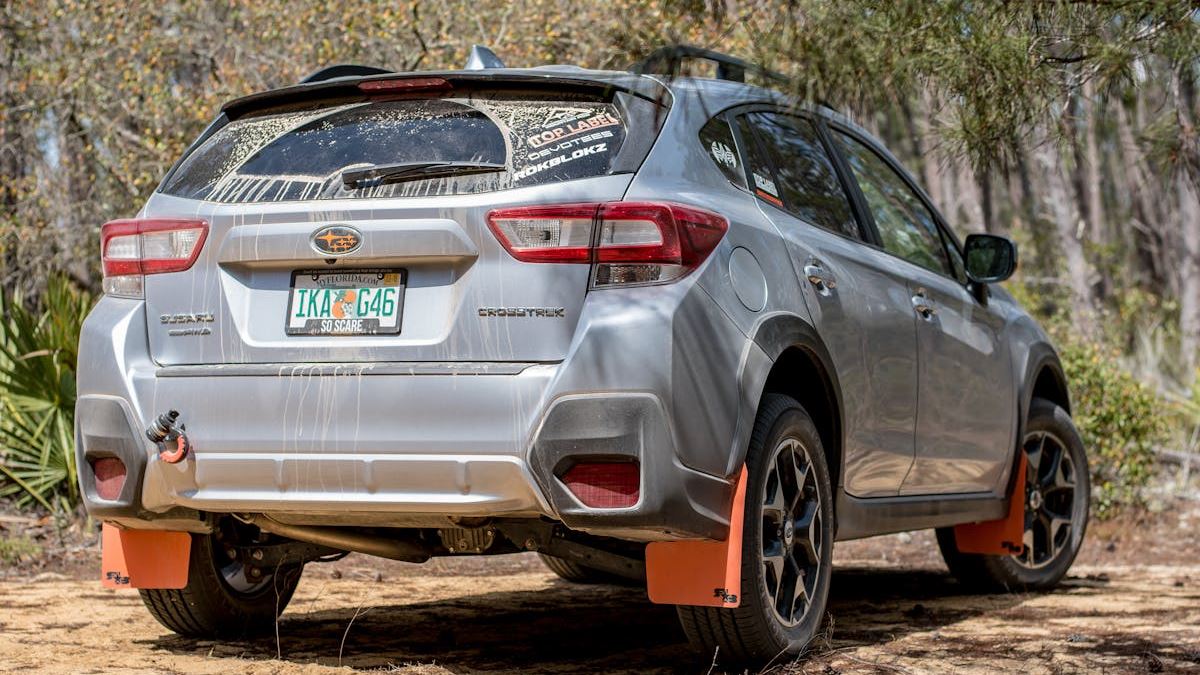
Over the past decade, crossover SUV car sales have experienced unprecedented growth across the United States. This surge reflects a shift in consumer preferences towards vehicles that combine the practicality of SUVs with the comfort and efficiency of sedans. Crossover SUVs, characterized by their unibody construction and versatile features, have become a staple in American driveways. Industry analysts attribute this trend to factors such as increasing fuel efficiency, family-friendly designs, and advancing technology that enhances safety and convenience.
Understanding the Factors Driving Crossover SUV Car Sales
Several interconnected factors contribute to the rise in crossover SUV sales.
Consumer Preferences for Versatility and Comfort
Modern consumers prioritize vehicles that offer spacious interiors, flexible cargo options, and comfortable rides. Crossover SUVs excel in these aspects, making them ideal for families, outdoor enthusiasts, and urban commuters.
Fuel Efficiency and Environmental Concerns
Advancements in engine technology have improved fuel economy, reducing the environmental impact and operating costs of crossover vehicles. This makes them more attractive compared to traditional trucks and larger SUVs.
Innovations in Safety and Technology
Modern crossover SUVs incorporate cutting-edge safety features such as adaptive cruise control, lane-keeping assist, and collision avoidance systems, which appeal to safety-conscious buyers.
Market Dynamics and Consumer Segmentation
The US crossover SUV market is segmented into various demographic groups. Younger buyers gravitate towards compact crossovers like the Honda CR-V and Toyota RAV4, which offer agility and efficiency. Meanwhile, larger crossover models like the Ford Edge and Chevrolet Traverse appeal to families seeking spaciousness. Luxury brands such as Acura and Lexus also compete in this space, offering premium features for discerning customers.
Impacts of Crossover SUV Car Sales on the Automotive Industry
The dominance of crossover SUVs has reshaped manufacturing and marketing strategies within the automotive sector. Manufacturers are investing heavily in designing innovative crossover models with advanced technology, superior safety, and eco-friendly features. Additionally, marketing campaigns now emphasize lifestyle benefits, such as outdoor adventures and urban versatility, to resonate with diverse consumer bases.
Customer Considerations and Purchase Decisions
Potential buyers evaluate crossover SUVs based on factors like price, fuel economy, safety ratings, brand reputation, and feature set. Test drives and reviews heavily influence purchase decisions, and consumers are increasingly seeking personalized options and financing plans. Auto dealerships are adapting by offering virtual consultations, extended warranties, and tailored financing to meet evolving customer needs.
Looking Ahead: Future Trends in Crossover SUV Car Sales
The future of crossover SUV car sales looks promising, driven by technological innovations such as electric powertrains, autonomous driving features, and connected vehicle systems. Manufacturers are expected to develop even more fuel-efficient and environmentally friendly models, appealing to a broader demographic. As urbanization continues, compact crossover SUVs will remain popular for city dwellers, while larger models will cater to expanding families and outdoor enthusiasts.