Unlocking Opportunities with Lifelong Learning Programs in the United States
Explore the transformative landscape of lifelong learning programs in the United States, encompassing diverse offerings from adult education to senior initiatives. Discover how these programs adapt to economic shifts, technological advances, and personal growth needs, empowering individuals to thrive throughout their lives with accessible, flexible learning options.

Introduction to Lifelong Learning Programs
In a rapidly evolving world driven by technological advancements and shifting job markets, the concept of lifelong learning programs has gained prominence across the United States. These programs aim to foster continuous education, skill enhancement, and personal development beyond traditional schooling years. They serve diverse populations—from young professionals seeking career growth to seniors eager to explore new hobbies. Understanding the landscape of lifelong learning in the US reveals significant opportunities for individuals to stay competitive and fulfilled throughout their lives.
The Importance of Lifelong Learning in the Modern Era
Adapting to a Dynamic Economy
The US economy is characterized by rapid changes, driven by innovations in technology, finance, healthcare, and other sectors. Workers must adapt to new tools and practices, making continuous education essential. Lifelong learning programs provide access to up-to-date knowledge and skills, enabling individuals to remain relevant in their careers and increase employability.
Enhancing Personal Fulfillment
Beyond career prospects, lifelong learning supports personal growth. Individuals can explore new interests, develop hobbies, or acquire skills that improve quality of life. Programs tailored for different age groups ensure that learning remains accessible and relevant, encouraging a culture of continuous self-improvement across the nation.
Types of Lifelong Learning Programs Available in the US
Adult Education and Professional Development
Community colleges, vocational schools, and online platforms offer courses for adults seeking to upgrade their skills. Certifications in fields like digital marketing, healthcare, or IT prepare learners for current job market demands. Many government and non-profit initiatives subsidize these programs to ensure affordability.
Senior Learning Initiatives
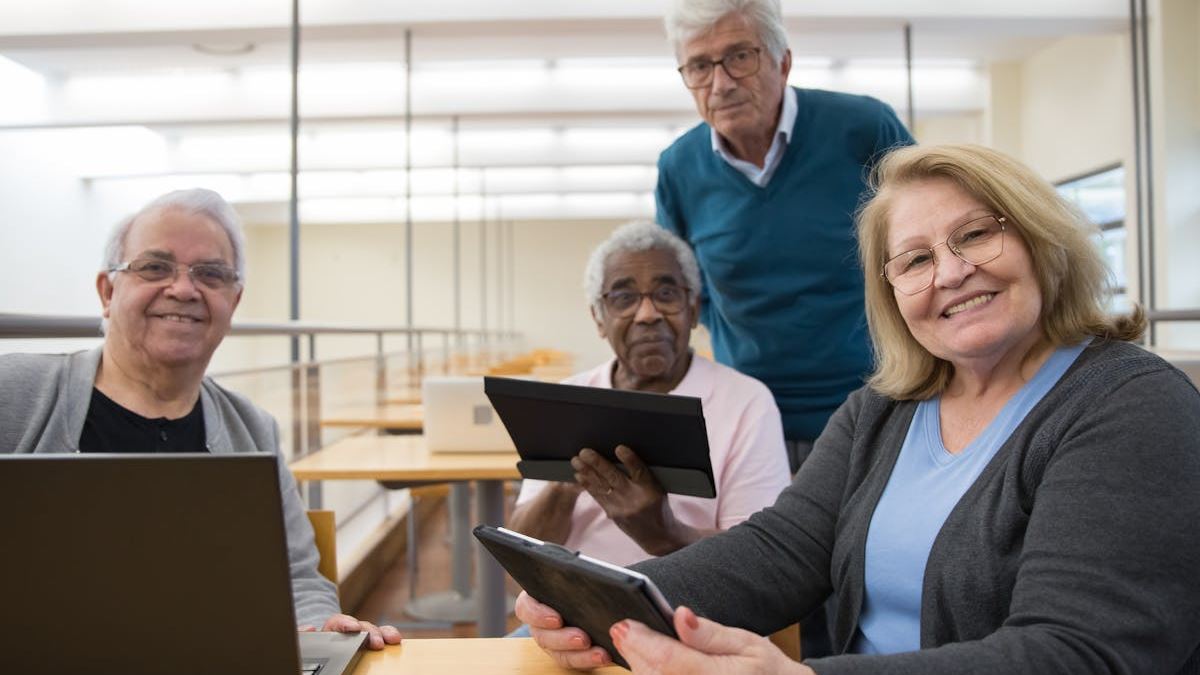
Organizations such as AARP and local community centers provide educational opportunities designed for seniors. These include technology classes, art workshops, and health literacy programs that foster social engagement and lifelong well-being.
Online and Hybrid Learning Platforms
The rise of MOOCs (Massive Open Online Courses), virtual classrooms, and hybrid programs has expanded access to education. Universities like Harvard, MIT, and smaller colleges partner with online providers—offering flexible learning options for diverse needs.
Implementing Lifelong Learning: Challenges and Solutions
Barriers to Participation
Common obstacles include financial constraints, time limitations, technological gaps, and lack of awareness. Addressing these requires targeted outreach, subsidized programs, and user-friendly digital platforms.
Policy Initiatives and Funding
Federal and state governments enact policies to promote lifelong learning, providing grants and incentives to educational institutions and community organizations. Programs like the Workforce Innovation and Opportunity Act (WIOA) exemplify these efforts.
Community Engagement and Support
Successful programs collaborate with local businesses, nonprofits, and civic groups to foster a learning-friendly environment. Mentorship opportunities and peer support networks further reinforce learning participation.
The Future of Lifelong Learning in the United States
Technological advances, such as AI and personalized learning systems, will revolutionize how education is delivered. The integration of virtual reality, micro-credentials, and lifelong learning passports will make continuous education more accessible and tailored to individual needs. Policymakers and educators must work together to ensure inclusivity, equal access, and sustainable growth of lifelong learning programs nationwide.