Innovations in Cancer Treatments: Transforming Patient Outcomes in the United States
Explore the latest innovations in cancer treatments transforming patient outcomes in the US. From targeted therapies to immunotherapy, discover how personalized medicine and cutting-edge research are revolutionizing oncology care today.

Understanding the Evolution of Cancer Treatments
Cancer treatments have undergone remarkable transformations over the past few decades, driven by advances in medical research, technology, and personalized medicine. This article explores the journey from traditional therapies to cutting-edge innovations that are improving survival rates and quality of life for patients across the United States.
Traditional Cancer Treatments: The Foundation
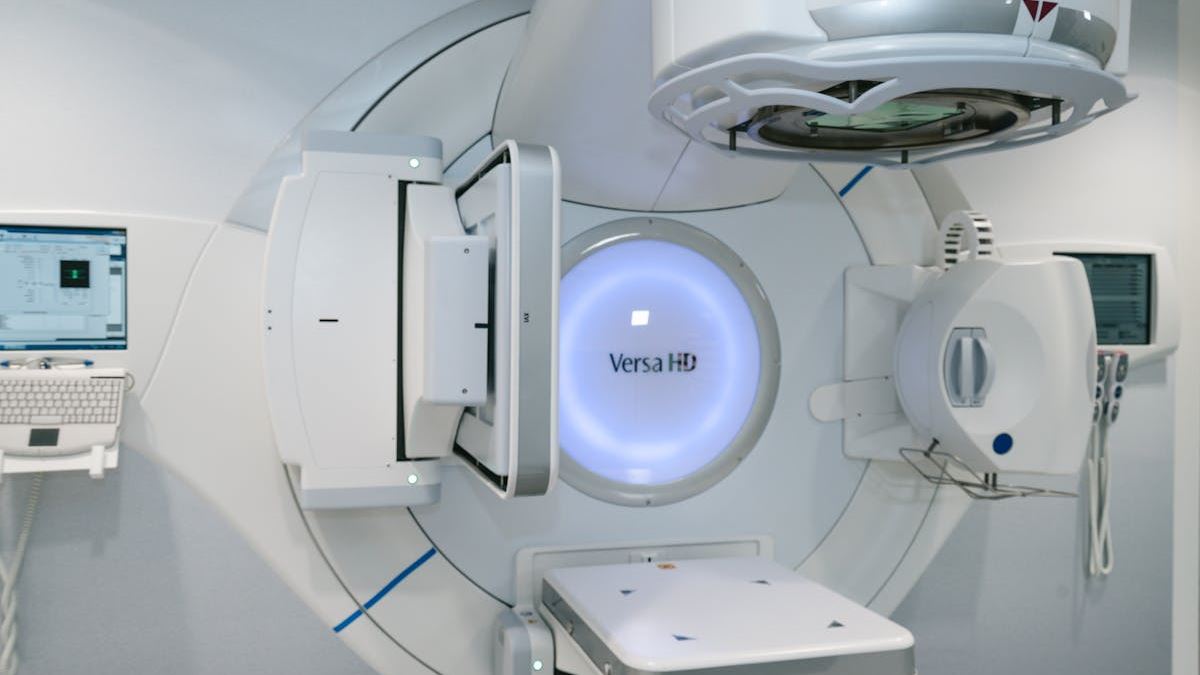
Historically, cancer therapies such as surgery, radiation therapy, and chemotherapy formed the backbone of treatment strategies. These modalities have saved countless lives, but they also come with significant side effects and limitations. For instance, chemotherapy, while effective in destroying cancer cells, often damages healthy tissue, leading to fatigue, hair loss, and immune suppression.
Emerging Therapies and Their Impact
Recent advancements have introduced targeted therapies, immunotherapy, and precision medicine. Targeted therapies focus on specific molecular abnormalities within cancer cells, reducing collateral damage and improving efficacy. Immunotherapy harnesses the body's immune system to identify and eradicate cancer, offering hope for previously untreatable cancers. For example, checkpoint inhibitors have shown remarkable success in melanoma and lung cancer.
Personalized Medicine and Genetic Profiling
One of the most significant shifts in cancer treatments involves personalized medicine. By analyzing the genetic makeup of tumors, clinicians can tailor treatments to each patient, increasing effectiveness and minimizing adverse effects. This approach exemplifies a shift from one-size-fits-all to individualized care.
Real-World Clinical Success Stories
Take the case of Jane, a 45-year-old woman diagnosed with metastatic melanoma. Traditional treatments offered limited hope. However, through genetic profiling and immunotherapy, she experienced a complete remission. Her story highlights how innovative cancer treatments are transforming lives today.
The Role of Clinical Trials and Future Directions
Innovative cancer treatments often emerge through clinical trials, which are essential for validating new therapies. Researchers continue exploring gene editing, nanotechnology, and combination therapies to combat resistant cancers. The future of cancer treatments in the US promises more effective, less invasive options with fewer side effects.
Conclusion: Embracing a New Era of Oncology
As research accelerates and new treatments become available, patients and providers benefit from a broader arsenal against cancer. Embracing these advancements can lead to higher survival rates, improved quality of life, and, ultimately, a potential cure for many cancer types.