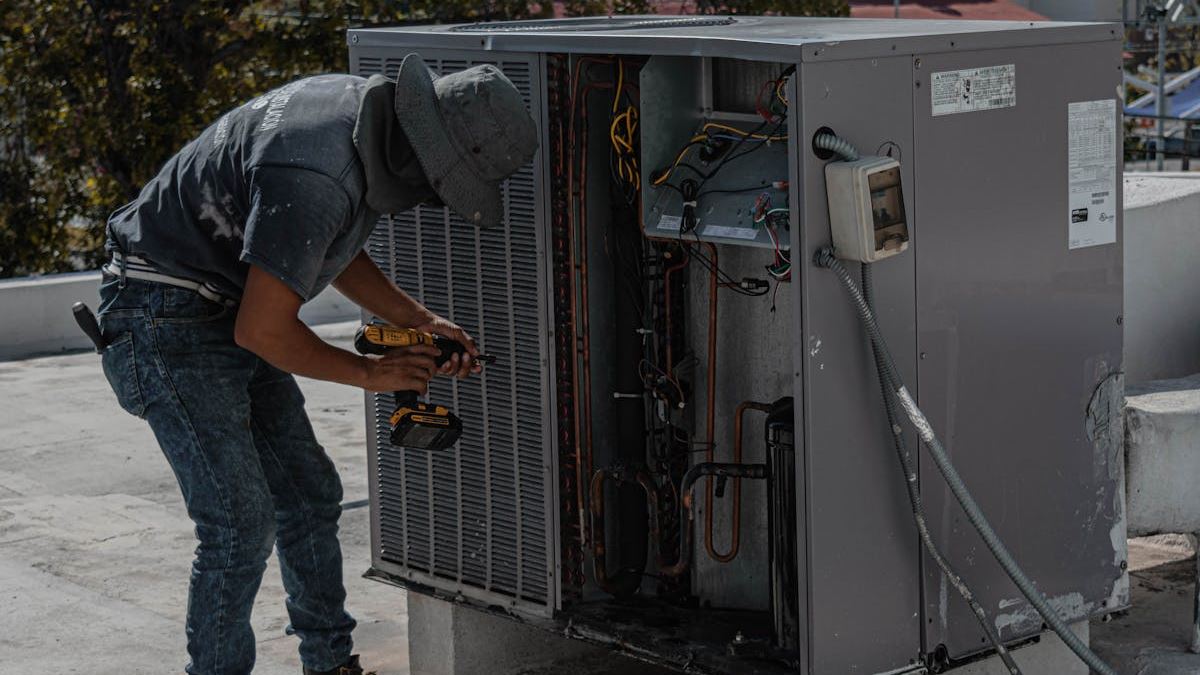
Comprehensive Guide to HVAC Repair: Ensuring Optimal Comfort and System Longevity
This comprehensive guide on HVAC repair explains common issues, repair processes, and maintenance tips to keep your heating and cooling systems running efficiently. Learn how to identify problems early, choose reliable professionals, and prolong your HVAC system’s lifespan. Perfect for homeowners and business owners seeking expert advice in the United States.
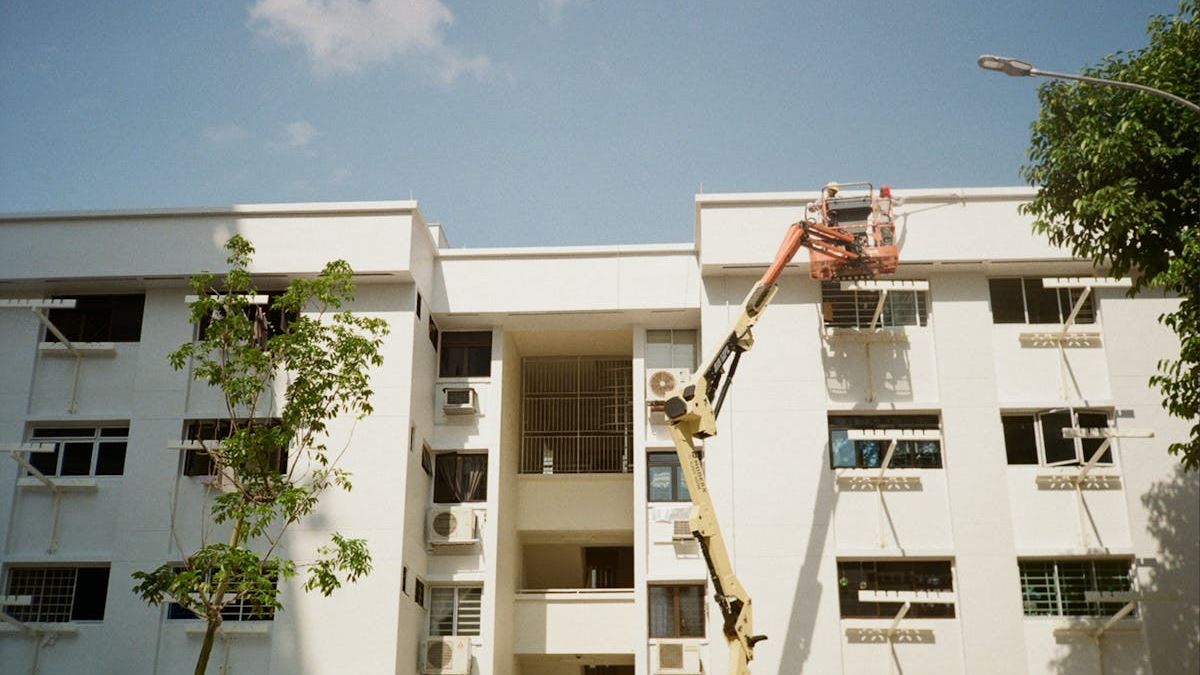
Understanding the Importance of HVAC Repair
An efficient Heating, Ventilation, and Air Conditioning (HVAC) system is vital for maintaining comfort and indoor air quality in homes and businesses across the United States. Over time, these systems experience wear and tear, leading to decreased performance, higher energy bills, and potential system failure. HVAC repair becomes essential not only to restore functionality but also to extend the lifespan of your equipment. This guide explores key aspects of HVAC repair, helping you understand when and how to seek professional assistance to keep your environment comfortable year-round.
Common HVAC Problems and Their Causes
Inadequate Heating or Cooling
This issue often stems from thermostat malfunctions, dirty filters, or compressor problems. For example, a dirty filter can block airflow, reducing heating or cooling efficiency. Similarly, a faulty thermostat may not accurately read room temperature, leading to inconsistent performance. Understanding the root causes allows homeowners to troubleshoot minor issues or recognize when professional HVAC repair is necessary.
Unusual Noises or Odors
Strange sounds such as banging, squealing, or rattling can indicate loose components, worn belts, or motor issues. Unpleasant odors might suggest mold buildup, burnt-out wires, or contaminated ductwork. Addressing these problems promptly prevents further damage and maintains indoor air quality.
High Energy Bills
When an HVAC system is inefficient, it consumes more energy, leading to increased utility costs. Causes include refrigerant leaks, dirty coils, or aging equipment that no longer operates efficiently. Regular HVAC repair and maintenance can optimize system performance, reducing energy consumption and saving money.
The HVAC Repair Process: What to Expect
Initial Inspection and Diagnosis
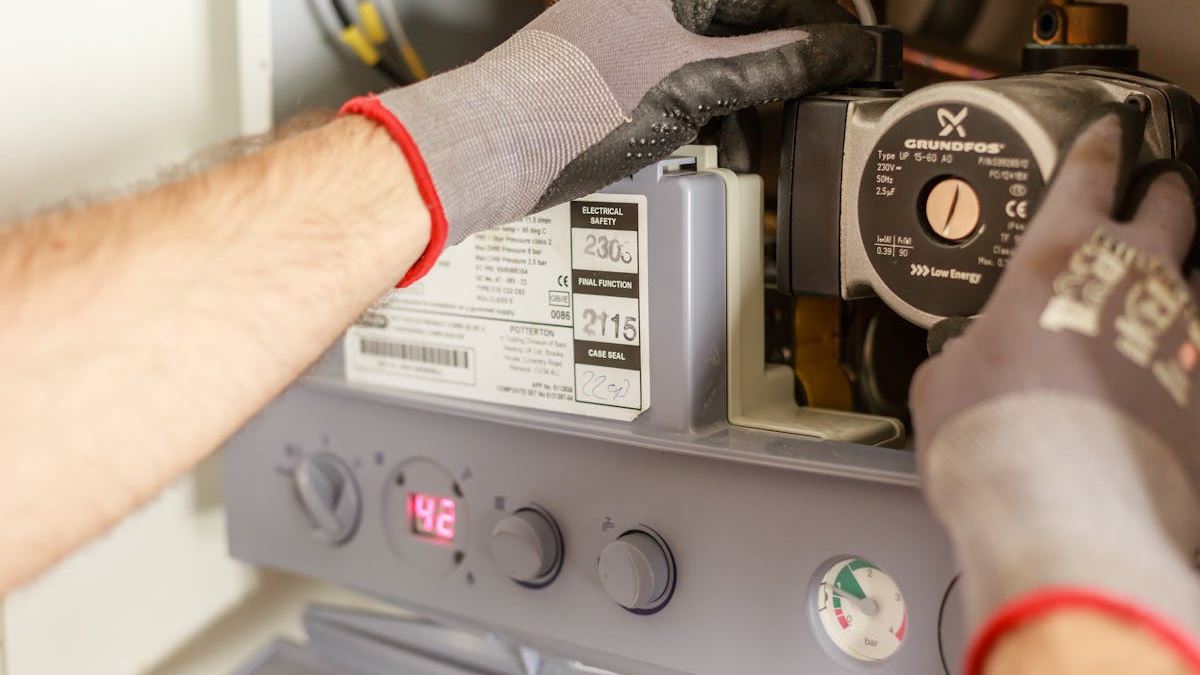
Experienced technicians begin with a thorough inspection of your HVAC system. They analyze components, check electrical connections, and test airflow and refrigerant levels. Accurate diagnosis ensures targeted repairs, saving time and costs.
Repair and Replacement of Parts
Based on the diagnosis, technicians replace or repair faulty parts such as capacitors, compressors, thermostats, or filters. High-quality replacement parts ensure durability and optimal system performance. In some cases, complete system replacement may be more cost-effective than extensive repairs.
Post-Repair Testing and Maintenance Recommendations
After repairs, the technician tests the system to verify proper operation. They may also recommend ongoing maintenance tasks like filter changes, duct cleaning, and system tune-ups. Proper maintenance extends the life of your HVAC system and minimizes future repair needs.
Choosing the Right HVAC Repair Professional
Selecting a reputable HVAC repair company ensures quality workmanship and peace of mind. Look for licensed and insured technicians with positive customer reviews. Certifications from recognized organizations indicate a commitment to professional standards.
Request detailed estimates before work begins, and inquire about warranties on repairs. Properly trained technicians stay updated on the latest technology and safety standards, ensuring your system's reliability and efficiency.
Preventative Maintenance Tips for Longevity
Regular Filter Replacements
Changing filters every 1-3 months improves air quality and prevents system strain. Clogged filters reduce airflow, causing the system to work harder and increasing repair risks.
System Inspections and Tune-Ups
Annual professional inspections catch issues early. Tune-ups improve efficiency, reduce breakdowns, and extend equipment lifespan.
Clear Debris from Vents and Ducts
Ensuring vents and ducts are free of dust and obstructions promotes proper airflow and indoor air quality, decreasing the likelihood of costly repairs.
Conclusion: Investing in HVAC Repair for Long-Term Comfort
Understanding the importance of professional HVAC repair helps maintain a comfortable environment and reduces operational costs. proactive maintenance and timely repairs prevent system failures, ensuring your home or business remains a haven regardless of the season. Remember, investing in quality HVAC repair services not only restores performance but also enhances energy efficiency and indoor air quality, providing peace of mind and long-term savings.