Comprehensive Guide to Restoration Services: Restoring Your Property After Damage
Learn everything about restoration services, including fire, water, and storm damage recovery. This comprehensive guide helps property owners in the U.S. understand the entire restoration process, choose certified experts, and safeguard their investments after disasters, ensuring safety, swift recovery, and property preservation.

Understanding Restoration Services: A Critical Investment in Property Preservation
Restoration services encompass a broad spectrum of professional interventions aimed at recovering properties that have suffered damage from various disasters such as fires, floods, storms, and other unforeseen events. These services are pivotal in minimizing property loss, restoring safety, and ensuring that affected spaces are returned to their former condition or better.
The Types of Restoration Services in the United States
Fire and Smoke Damage Restoration
Fire incidents can devastate homes and businesses in a matter of moments. Restoration professionals assess the extent of the damage, remove debris, clean soot from surfaces, and restore structural elements. Smoke odor removal is particularly complex, often requiring specialized equipment like ozone generators and thermal foggers. The goal is to not only repair visible damage but also eliminate lingering odors that compromise air quality.
Water Damage Restoration
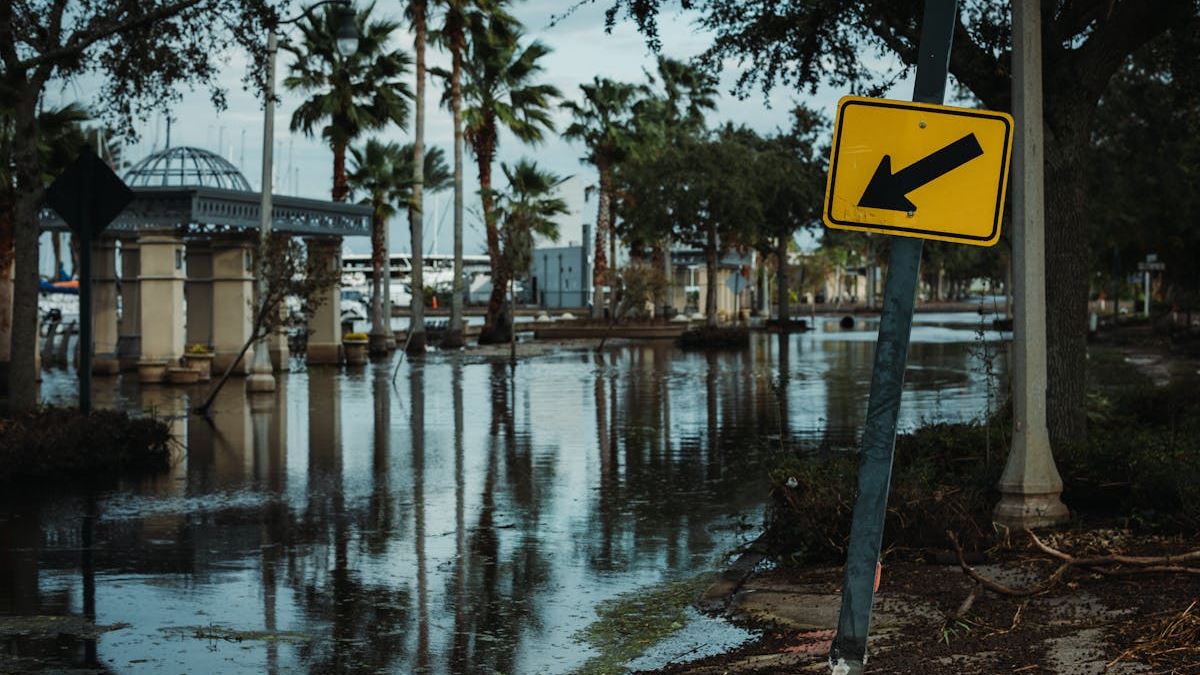
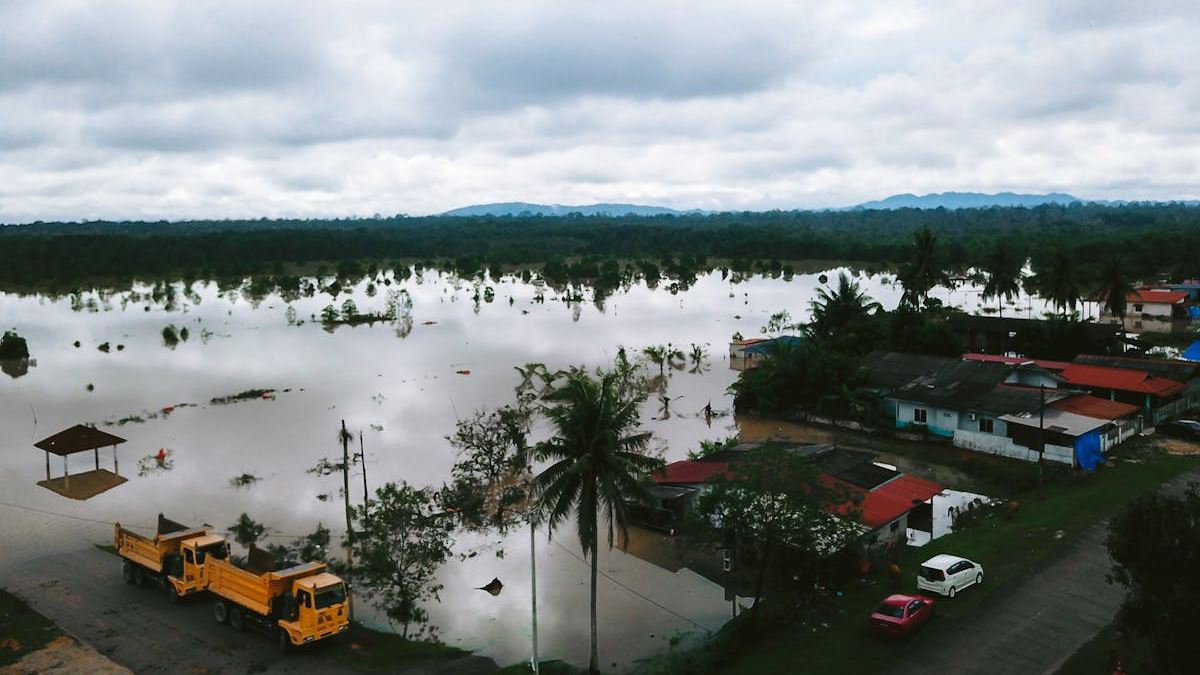
Floods, pipe bursts, or storm surges can result in severe water damage, leading to mold growth and structural deterioration. Restoration services involve water extraction, drying, dehumidification, and disinfection. Experts use moisture meters and infrared cameras to detect hidden water pockets, ensuring comprehensive drying to prevent mold proliferation and wood warping.
Mold Remediation
Often intertwined with water damage, mold remediation focuses on removing toxic mold colonies to protect health and prevent further property damage. This process involves containment, HEPA vacuuming, chemical treatment, and rigorous air filtration. Specialists also identify underlying sources of moisture to prevent mold recurrence.
Storm Damage and Structural Repairs
Storms can cause roof damage, fallen trees, and structural compromises. Restoration services include temporary tarping, debris removal, roof repair, and reinforced structural supports. Restoring a storm-damaged property requires quick action and integration of restoration with construction services.
Why Choose Certified Restoration Experts?
Professional restoration companies in the United States are equipped with the latest technology, industry certifications, and expertise to handle complex damage scenarios. Certifications from organizations like the Institute of Inspection, Cleaning and Restoration Certification (IICRC) ensure adherence to high standards of quality and safety.
The Restoration Process: From Assessment to Completion
Initial Inspection and Damage Assessment
The process begins with a thorough assessment of the property to determine the extent of damage. Experts identify hazards, scope out affected areas, and formulate a customized restoration plan.
Mitigation and Emergency Services
Immediate action is critical to prevent further damage. This phase includes water extraction, debris removal, temporary protection, and stabilization.
Restoration and Reconstruction
Following mitigation, specialists proceed with repairs, cleaning, and reconstruction to restore the property to its pre-damage state. This may involve structural repairs, cosmetic work, and system upgrades.
Final Inspection and Restoration Confirmation
The final step is a comprehensive inspection to ensure all damage has been adequately addressed, and the property is safe and fully functional. Documentation and warranties are provided for future peace of mind.
Choosing the Right Restoration Services Provider
When selecting a restoration services company, consider their experience, certifications, customer reviews, and response times. Transparent communication and comprehensive service offerings are indicators of reliability.