The Comprehensive Guide to Full Mouth Dental Implants: Restoring Confidence and Function
Discover how full mouth dental implants can restore your smile, improve oral function, and boost confidence. This comprehensive guide covers the procedure, benefits, real patient stories, cost considerations, and expert advice to help you make an informed decision about your dental health.

Understanding Full Mouth Dental Implants
Full mouth dental implants have revolutionized restorative dentistry, offering a permanent solution for individuals suffering from extensive tooth loss. Unlike traditional dentures, which can be uncomfortable and unstable, full mouth dental implants provide a natural look, improved functionality, and a boost in confidence. In this article, we explore what full mouth dental implants are, the procedure involved, and why they might be the best choice for restoring your smile.
The Advantages of Full Mouth Dental Implants
Enhanced Stability and Functionality
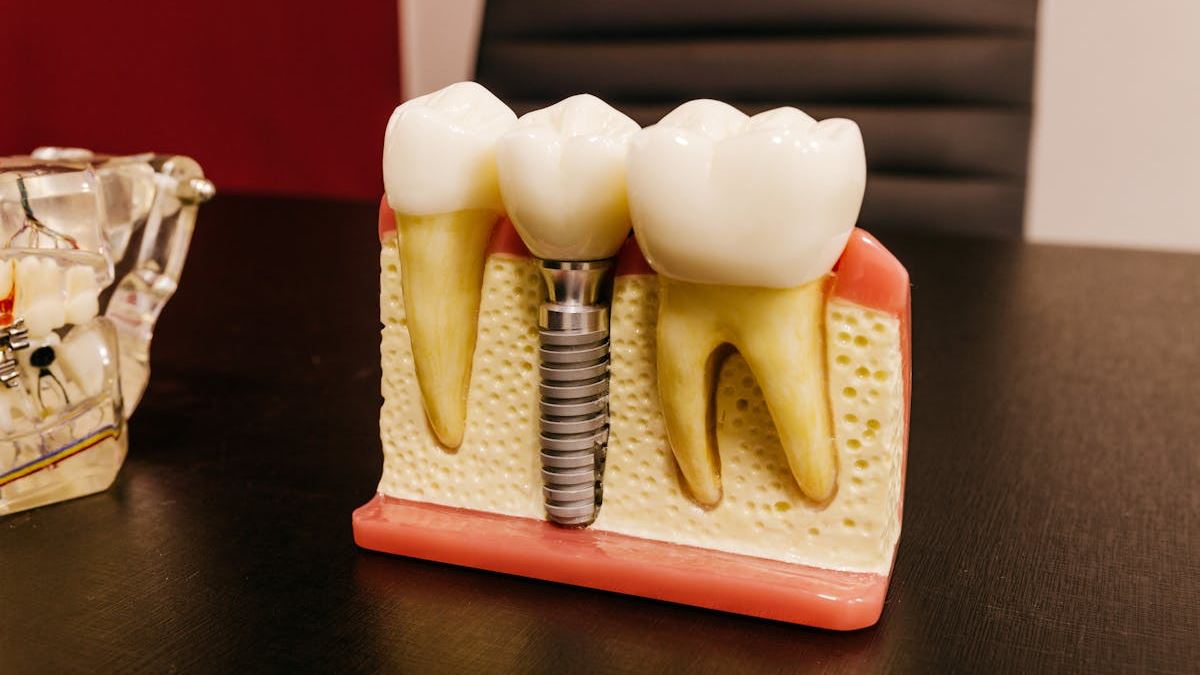
One of the primary benefits of full mouth dental implants is their stability. Implants are anchored directly into the jawbone, mimicking natural tooth roots, which prevents slipping and allows you to eat and speak normally. This stability significantly improves chewing efficiency and overall oral function compared to conventional dentures.
Preservation of Jawbone Health
Implants stimulate the jawbone during chewing, preventing bone deterioration—a common issue with missing teeth. This preservation helps maintain facial structure and reduces the sunken appearance often associated with tooth loss.
Durability and Longevity
With proper care, full mouth dental implants can last many years, often a lifetime. Their durability makes them a cost-effective, long-term solution for restoring your smile.
The Full Mouth Dental Implant Procedure
Initial Consultation and Evaluation
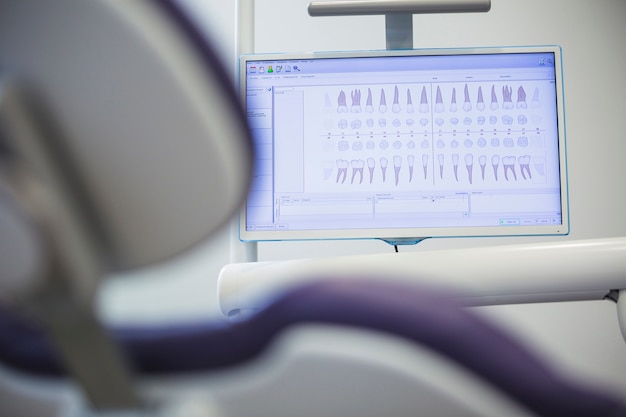
The process begins with a comprehensive dental examination, including 3D imaging and scans to assess bone density. This evaluation determines if you are a suitable candidate for implants and planning the optimal treatment approach.
Surgical Placement of Implants
The next step involves surgically placing titanium implant posts into the jawbone. This is typically done under local anesthesia, with some cases requiring sedation. After placement, a healing period of several months allows the implants to fuse with the bone—a process called osseointegration.
Attachment of Abutments and Prostheses
Once healing is complete, custom-made crowns or full arch prostheses are attached to the implants. These restorations are designed to resemble natural teeth in appearance and function, completing the transformation.
Real-Life Success Stories and Patient Perspectives
Many patients have experienced life-changing results after getting full mouth dental implants. For example, Sarah, a 58-year-old from California, struggled with removable dentures that caused discomfort and insecurity. After opting for dental implants, she regained her ability to enjoy eating her favorite foods and feels more confident than ever. Stories like Sarah’s highlight the importance of choosing a skilled implant specialist to ensure optimal outcomes.
According to Dr. Lisa Martinez, a renowned implantologist in Houston, Texas, "Full mouth dental implants are not just about aesthetics; they significantly improve the quality of life by restoring function and facial structure."
Cost Considerations and Financing Options
While the initial investment for full mouth dental implants can be higher than traditional dentures, their durability and functionality make them a cost-effective choice over time. Many dental offices offer financing plans, and insurance coverage varies widely. It’s essential to discuss all costs and options with your dental provider to make an informed decision.
Choosing the Right Dental Specialist
Given the complexity of full mouth dental implants, working with an experienced dental surgeon or implant specialist is crucial. Proven expertise, advanced technology, and a thorough consultation can greatly influence your treatment success.
Post-Procedure Care and Maintenance
Maintaining your full mouth dental implants involves good oral hygiene, regular dental visits, and avoiding habits such as smoking that can impair healing. Proper care ensures the longevity of your implants and overall oral health.
Conclusion: Is It Time to Reconsider Your Smile?
If you're dealing with failing teeth, discomfort, or embarrassment related to your smile, it may be time to explore full mouth dental implants as a solution. Consult with a qualified dental implant specialist to determine your candidacy and embark on the journey toward a healthier, more confident you.