Harnessing the Power of Cloud Systems: A Comprehensive Guide for Modern Enterprises
Explore the transformative power of cloud system technology with this comprehensive guide. Learn about deployment models, core components, real-world applications, advantages, challenges, and future trends shaping the digital transformation of enterprises across the United States.

Introduction to Cloud Systems
In today’s digital landscape, cloud system technology has revolutionized how businesses operate, innovate, and compete. From startups to Fortune 500 companies, adopting cloud solutions allows organizations to improve agility, scalability, and cost-efficiency. This article explores the fundamental concepts of cloud systems, their evolution, and the pivotal role they play in transforming enterprise IT strategies.
The Fundamentals of Cloud Systems
What is a Cloud System?
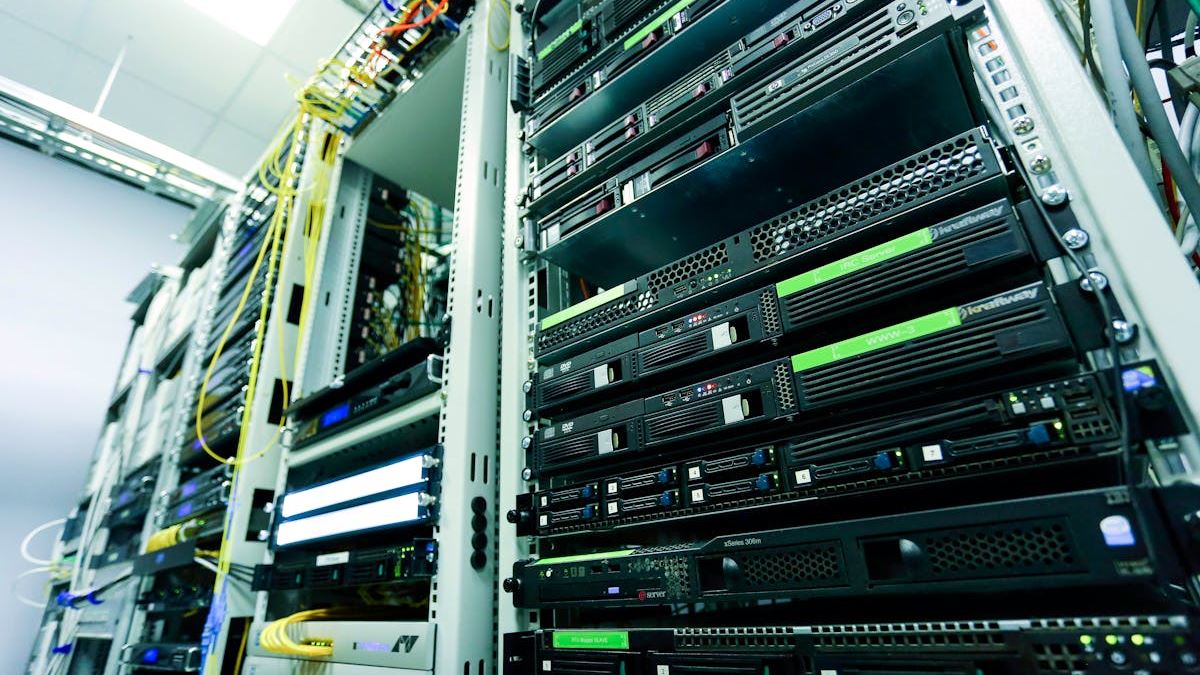
A cloud system is an integrated network of remote servers hosted on the internet to store, manage, and process data. Unlike traditional on-premises infrastructure, cloud systems offer on-demand access to computing resources, which can be scaled according to business needs.
Types of Cloud Deployment Models
Cloud systems are typically categorized based on deployment models: Public Cloud, Private Cloud, Hybrid Cloud, and Community Cloud. Each model offers distinct advantages in terms of security, control, and scalability, catering to different organizational requirements.
Core Components of Cloud Systems
Essential components include Infrastructure as a Service (IaaS), Platform as a Service (PaaS), and Software as a Service (SaaS). These layers provide the foundation for deploying, managing, and accessing applications and data in the cloud.
Real-World Scenarios and Applications
Enterprise Digital Transformation
Many organizations leverage cloud systems to accelerate digital transformation initiatives. For example, global banking institutions use cloud platforms to deliver seamless customer experiences while ensuring regulatory compliance.
Remote Work and Collaboration
During the COVID-19 pandemic, cloud systems became essential for remote work. Cloud-based collaboration tools like Microsoft 365 and Google Workspace enabled teams to stay productive regardless of their physical location.
Data Analytics and AI Integration
The proliferation of big data has driven enterprises to adopt cloud-based analytics and AI solutions. Companies like retail giants analyze customer data using cloud platforms to personalize marketing and improve inventory management.
Advantages and Challenges of Cloud Systems
Benefits
- Scalability: Easily scale resources up or down based on demand.
- Cost Efficiency: Pay-as-you-go pricing models reduce CapEx.
- Accessibility: Access services securely from anywhere with internet connectivity.
- Innovation: Rapid deployment of new applications accelerates business innovation.
Challenges
- Security Concerns: Data breaches and privacy issues require robust security measures.
- Compliance: Adhering to industry regulations can be complex across multiple jurisdictions.
- Dependence on Internet Connectivity: Downtime or slow networks impact service availability.
- Vendor Lock-in: Moving between providers can be difficult and costly.
Future Trends in Cloud Systems
The cloud system landscape is continuously evolving. Emerging trends include the proliferation of edge computing, increased adoption of multi-cloud strategies, and advancements in AI-driven cloud management. These developments promise to enhance performance, security, and flexibility for organizations globally.
Conclusion
Adopting a comprehensive cloud system approach is essential for modern enterprises seeking agility, innovation, and operational efficiency. By understanding the foundational concepts, exploring real-world applications, and being aware of potential challenges, organizations can harness the full potential of cloud technology to drive sustainable growth.