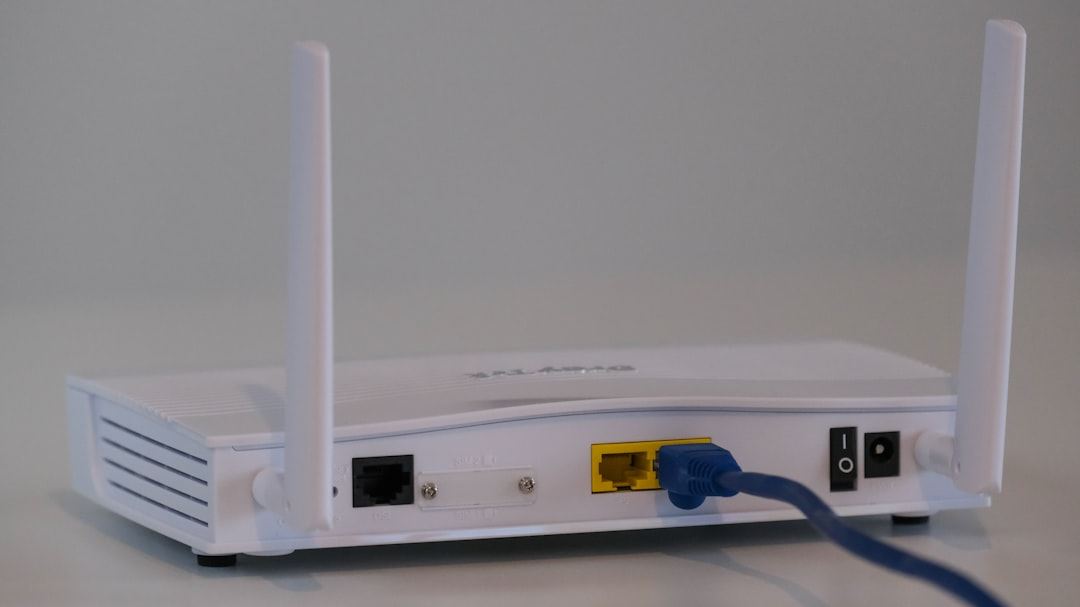
Comprehensive Guide to Choosing High Speed Internet Providers in the United States
Discover how to choose the best high speed internet providers in the US with this comprehensive guide. Learn about different service types, top providers, and key factors to consider—ideal for homes and businesses seeking reliable, fast connectivity tailored to their needs.
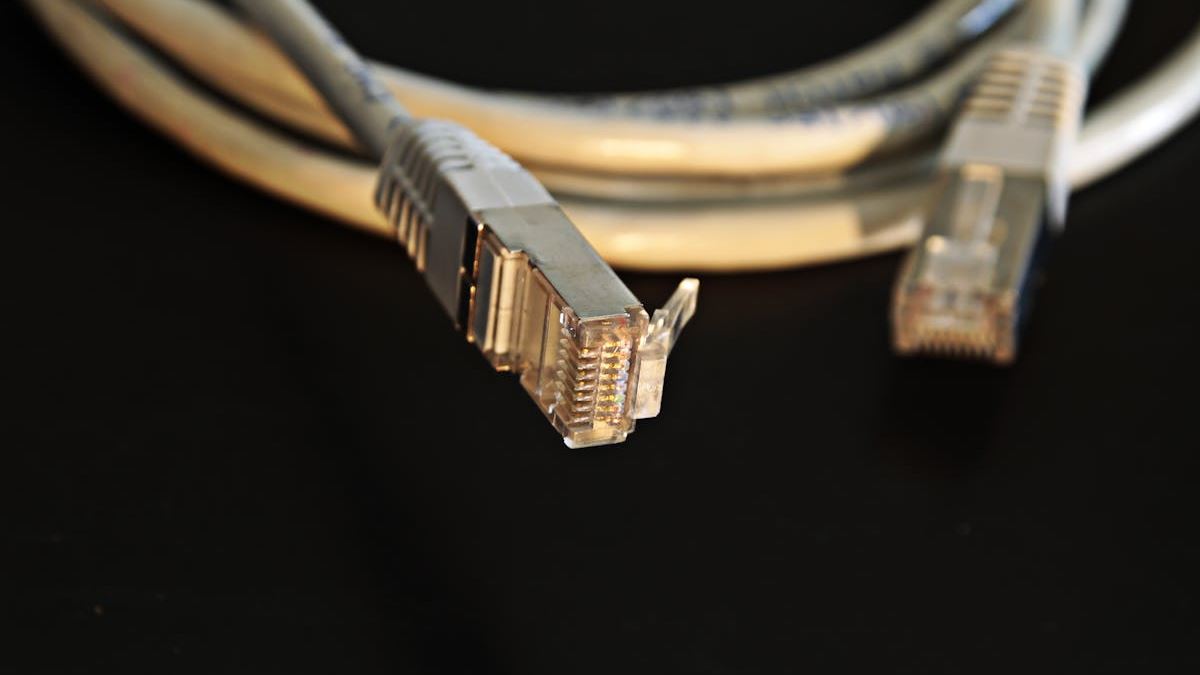
Understanding High Speed Internet Providers in the US
In today’s digital age, high speed internet providers play a pivotal role in ensuring reliable connectivity for homes and businesses alike. With a vast array of options available across the United States, selecting the right provider requires understanding the different types of services, their features, and what caters best to your specific needs.
The Evolution of High Speed Internet in America
The journey of broadband connectivity in the US has been marked by technological advancements, regulatory changes, and increasing consumer expectations. From dial-up to fiber-optic networks, high speed internet providers have continually upgraded their infrastructure to deliver faster, more reliable services.
Today, consumers demand speeds that accommodate streaming, remote work, online gaming, and smart home devices. Leading providers have invested heavily in fiber-optic technology, promising gigabit speeds and beyond.
Top High Speed Internet Providers in the United States
Fiber Optic Providers
Providers like Verizon Fios, AT&T Fiber, and Google Fiber have set benchmarks for ultrafast internet, offering symmetrical speeds, minimal latency, and high reliability. Fiber is ideal for power users, remote workers, and small businesses that need consistent bandwidth.
Cable Internet Providers
Cable companies such as Comcast Xfinity, Spectrum, and Cox offer widely available high speed internet options, often bundled with TV and phone services. They provide concrete speeds suitable for streaming, gaming, and multiple device usage, though bandwidth can be affected during peak hours.
Satellite Internet Providers
For rural or hard-to-reach areas, satellite services like HughesNet and Viasat serve as vital options. While traditionally slower and more susceptible to latency issues, advancements are improving these services' performance, making them a viable choice for underserved regions.
Fixed Wireless Providers
Providers such as Rise Broadband deliver high speed internet via wireless signals, especially effective in semi-rural communities. They combine mobility with speed, offering a balanced solution where wired infrastructure is sparse.
How to Select the Right High Speed Internet Provider
Assess Your Needs
Understanding your internet usage is critical. Families streaming 4K content or gamers require higher speeds and bandwidth, while casual browsing may suffice with moderate plans.
Compare Speed and Data Plans
Look beyond advertised speeds and consider actual user experiences. Verify if the plan offers symmetrical upload & download speeds, data caps, and whether the speeds meet your daily demands.
Consider Reliability and Customer Support
Read reviews concerning uptime and customer service quality. Reliable internet is the backbone for remote work, online learning, and entertainment.
Evaluate Pricing and Contract Terms
Be wary of hidden fees, installation costs, and contract lengths. Some providers offer promotional rates for initial months, so factor in potential price increases afterward.
Real-World Scenarios: Choosing High Speed Internet Providers
Scenario 1: A Remote Worker in a Suburban Area
Such a user benefits from fiber-optic services like Verizon Fios or AT&T Fiber, providing high upload/download speeds and low latency crucial for video conferencing and cloud applications.
Scenario 2: A Family of Gamers and Streamers
Multiple high bandwidth devices demand a provider with strong, consistent performance during peak hours. Cable providers with gigabit plans or fiber services are suitable.
Scenario 3: Living in a Rural Region
Satellite and fixed wireless providers such as HughesNet or Rise Broadband become essential due to limited wired infrastructure, ensuring connectivity for everyday needs and remote work.
Future Trends in High Speed Internet Providers
The future of high speed internet providers in the US leans towards the expansion of fiber networks, the deployment of 5G wireless technology, and increased competition to lower prices and increase speeds. Innovations like smart city integrations and IoT connectivity will further elevate the importance of robust internet services.
Investments in infrastructure upgrades and regulatory support will be pivotal in bridging connectivity gaps, especially in rural communities, making high speed internet more accessible to all Americans.
Conclusion: Making the Right Choice for Your Digital Needs
Selecting suitable high speed internet providers in the United States involves understanding your specific needs, evaluating available options, and considering future growth. Whether you prioritize speed, reliability, or affordability, the right provider can significantly enhance your digital experience, keeping you connected in an increasingly connected world.