The Ultimate Guide to HVAC Replacement Service: Ensuring Comfort and Efficiency
December. 04,2025
Discover everything about HVAC replacement service, including signs that indicate it's time to replace your system, how to select a reliable contractor, and what to expect during the installation process. This comprehensive guide helps homeowners make informed decisions to improve comfort, efficiency, and energy savings.
Introduction
In today's fast-paced world, maintaining a comfortable home environment is essential for well-being and productivity. An essential component of this comfort is a reliable Heating, Ventilation, and Air Conditioning (HVAC) system. Over time, however, even the most durable systems may require replacement to ensure optimal performance and energy efficiency. In this comprehensive guide, we will explore everything you need to know about HVAC replacement service, from signs indicating it's time to replace your system, choosing the right contractor, to understanding the process involved.
Why Consider an HVAC Replacement Service?
Many homeowners delay replacing their HVAC system until it breaks down completely. However, understanding the benefits of proactive replacement can save you money and improve your home's comfort. Here are some reasons to consider HVAC replacement service:
- Energy Efficiency: Older systems consume more energy, leading to higher utility bills. Modern HVAC units are designed to be energy-efficient, reducing your monthly costs.
- Improved Indoor Air Quality: Newer systems incorporate advanced filters and ventilation technology, ensuring healthier indoor air.
- Reliability and Reduced Repairs: Frequent breakdowns can be costly. Replacement reduces the risk of unexpected failures.
- Environmental Impact: Upgrading to environmentally friendly systems helps reduce your carbon footprint.
Indicators That You Need an HVAC Replacement Service
Knowing when to opt for HVAC replacement service is crucial. Here are common signs that suggest it might be time for a new system:
1. Age of Your System
Most HVAC units have a lifespan of approximately 10-15 years. If your system is nearing this age or older, replacement might be more cost-effective than continual repairs.
2. Rising Energy Bills
If you notice a steady increase in your energy bills, it could be due to your aging HVAC system working harder to maintain desired temperatures.
3. Frequent Repairs
Repeated breakdowns and costly repairs are a clear sign that your system is nearing the end of its life cycle.
4. Uneven Heating or Cooling
If certain areas of your home are consistently hotter or colder, it may indicate inefficiencies that a new system can resolve.
5. Unusual Noises or Odors
Strange sounds or smells from your HVAC unit can be signs of underlying issues that may be resolved with replacement.
Choosing the Right HVAC Replacement Service Contractor
Finding a reputable HVAC replacement service contractor is essential for a successful installation. Consider these steps:
1. Certification and Licensing
Ensure the contractor is properly licensed and certified by relevant industry organizations such as NATE or HVAC Excellence.
2. Experience and Reputation
Look for contractors with extensive experience and positive customer reviews. Referrals from friends and family can also help.
3. Transparent Pricing and Estimates
Request detailed written estimates to compare costs and ensure no hidden charges.
4. Warranties and Guarantees
Choose contractors who offer warranties on parts and labor to protect your investment.
The HVAC Replacement Process
Understanding the typical steps involved in HVAC replacement service can help you prepare:
1. Assessment and Recommendations
The contractor will evaluate your current system, home size, and insulation to recommend suitable replacement units.
2. Selecting a System
Options include various models and energy-efficient systems, such as SEER-rated units and smart thermostats.
3. Removal of Old System
The existing HVAC system is carefully dismantled and removed, ensuring environmental safety.
4. Installation of New Equipment
The new system is installed according to manufacturer specifications and local codes.
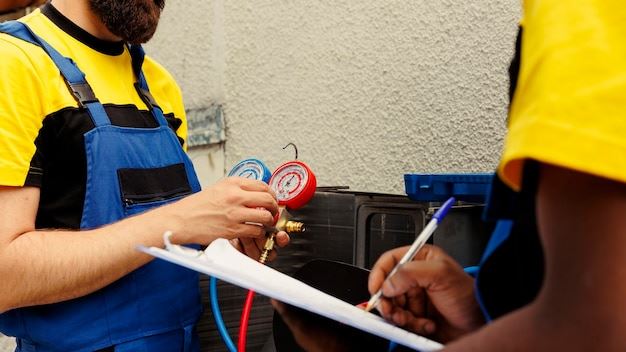
5. Post-Installation Testing and Inspection
The contractor tests the system for proper operation, ensuring optimal performance and efficiency.
Cost Considerations and Financing Options
HVAC replacement costs vary widely based on system size, type, and complexity. On average, homeowners can expect to pay between $4,000 and $12,000. Many contractors offer financing plans to make the investment more manageable. Additionally, rebates and tax incentives for energy-efficient units can offset costs.
Maintaining Your New HVAC System
Proper maintenance extends the lifespan and efficiency of your new HVAC replacement. Regular filter changes, scheduled inspections, and prompt repairs are key. Establishing a routine maintenance plan with your contractor can ensure your system performs optimally for years to come.
Conclusion
Investing in HVAC replacement service is a strategic decision that can enhance your home's comfort, efficiency, and value. Recognizing when to replace your system, choosing the right contractor, and understanding the process are essential steps toward a successful upgrade. By staying informed and proactive, homeowners can enjoy reliable heating and cooling while reducing energy costs and environmental impact.