Comprehensive Guide to Water Leak Repair: How to Detect, Fix, and Prevent Plumbing Leaks
Discover expert advice on water leak repair in this comprehensive guide. Learn to detect leaks early, perform effective DIY repairs, and prevent future plumbing issues to protect your home and save money.
Introduction to Water Leak Repair
Detecting Water Leaks: Signs and Methods
Common Signs of Water Leaks
Early detection is key to minimizing damage. Watch for unexplained increases in water bills, damp spots or mold growth on walls and ceilings, the sound of continuous dripping, or water pooling in unusual areas. Discolored patches, warped flooring, and low water pressure can also be indicators of hidden leaks.
Tools and Techniques for Leak Detection
Utilize tools like moisture meters, acoustic leak detectors, and thermal imaging cameras to identify hidden leaks behind walls or under floors. Conduct visual inspections regularly by checking for leaks around toilets, under sinks, and near appliances. Turn off all water fixtures and monitor your water meter; if it continues to move, a leak is likely present.
Step-by-Step Water Leak Repair Process
Assessing the Severity of the Leak
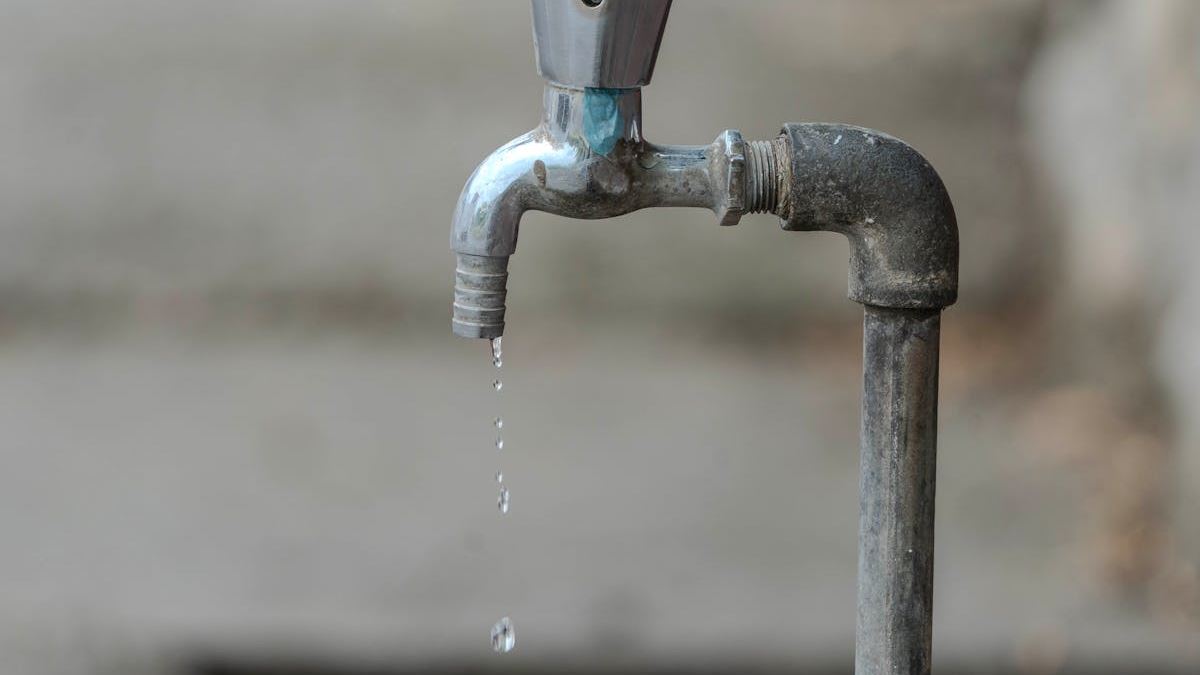
Determine whether the leak is minor or major. Small leaks such as dripping faucets or slow pipe drips can often be handled DIY, whereas major leaks may require professional intervention.
DIY Water Leak Repair Techniques
Simple repairs, such as tightening connections, replacing worn washers, or sealing small cracks with epoxy, can be performed by homeowners. Always turn off the main water supply before starting repairs and use appropriate safety gear. For leaking faucets or toilets, replacing faulty parts can often resolve the issue quickly.
When to Call a Professional
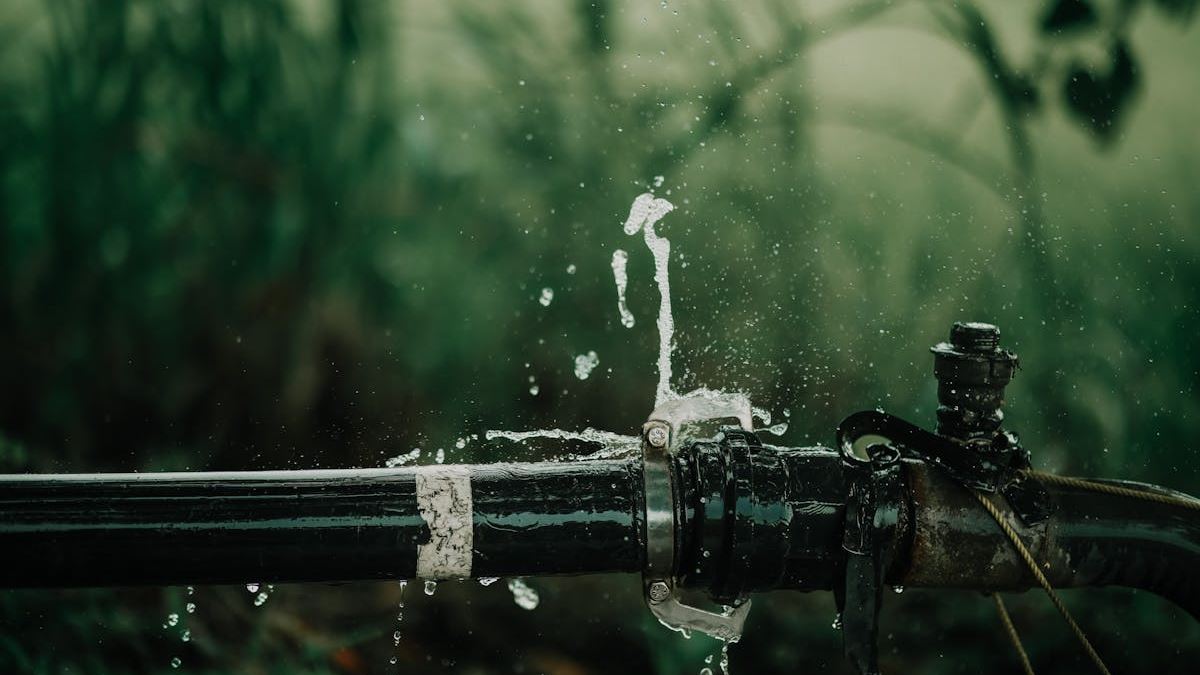
If the leak involves major pipes, hidden plumbing behind walls, or if water damage has already occurred, it’s advisable to seek expert help. Professionals have specialized equipment and experience to handle complex plumbing issues safely and effectively.
Preventive Measures for Water Leak Prevention
Routine Maintenance and Inspections
Schedule regular inspections of your plumbing system, especially before winter to prevent freezing pipes. Check for signs of corrosion, wear, or deterioration, and replace aging pipes or fixtures proactively.
Upgrading Plumbing Systems
Consider modern plumbing materials like PEX piping, which are more resistant to freezing and cracking. Installing water leak detection systems that alert you to potential leaks can save thousands in damage repairs by providing early warnings.
Conclusion: Protecting Your Home from Water Leaks